All landmarks and tourist attractions in Austria
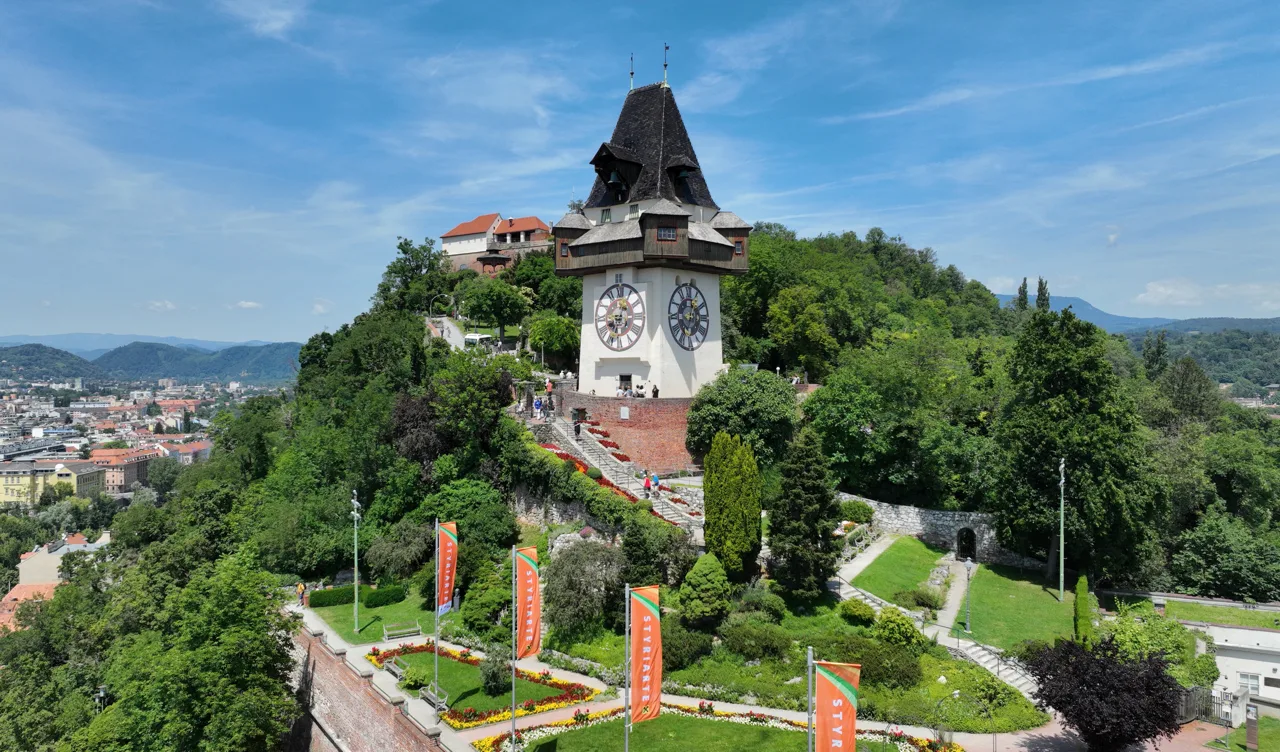
Schlossberg
Napoleon was so frustrated by this fortress that he ordered its total destruction, but the citizens of Graz paid a ransom to save their clock tower from the French explosives.
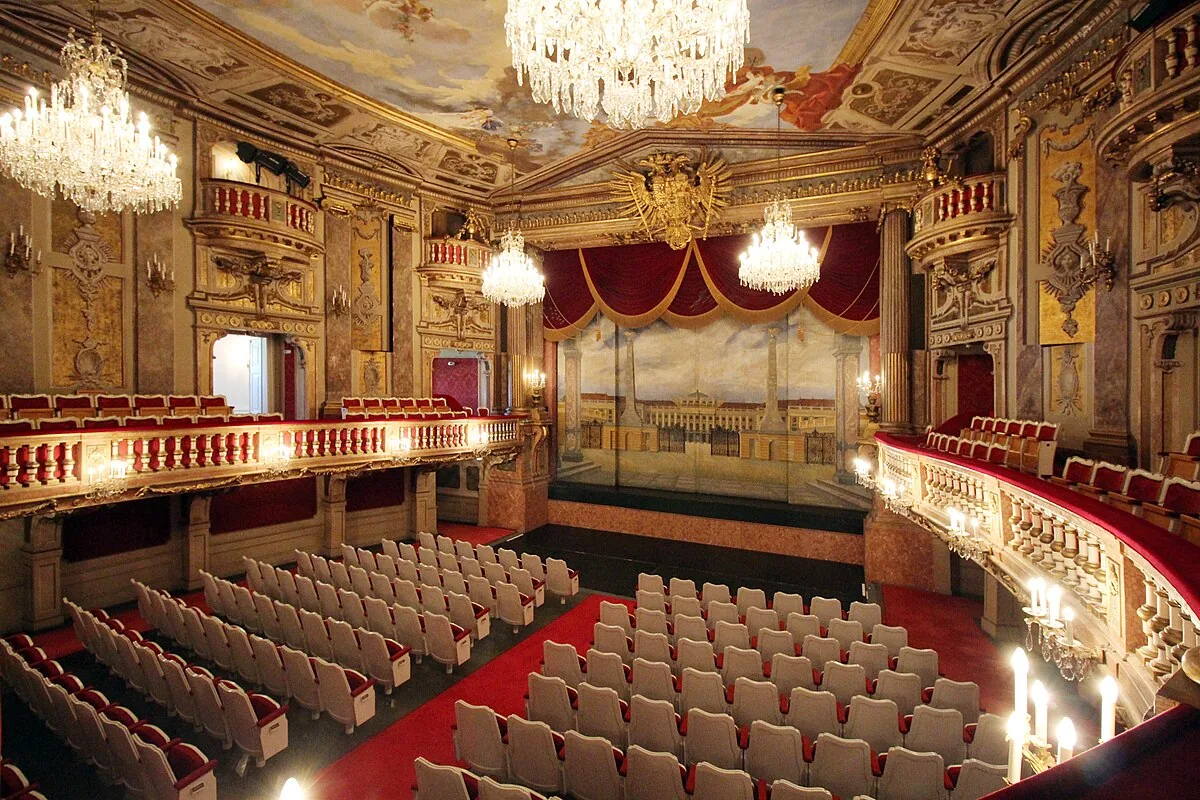
Schloss Schönbrunn
The 1;441-room Baroque summer residence of the Habsburgs represents the zenith of imperial grandeur; the Great Gallery features gilded stucco and frescoes by Gregorio Guglielmi completed in 1761; walk the gravel paths toward the Gloriette at 7 am before the gates open to the general public; the light hits the ochre facade with a clinical; golden precision while the scent of pruned boxwood hangs in the humid morning air.
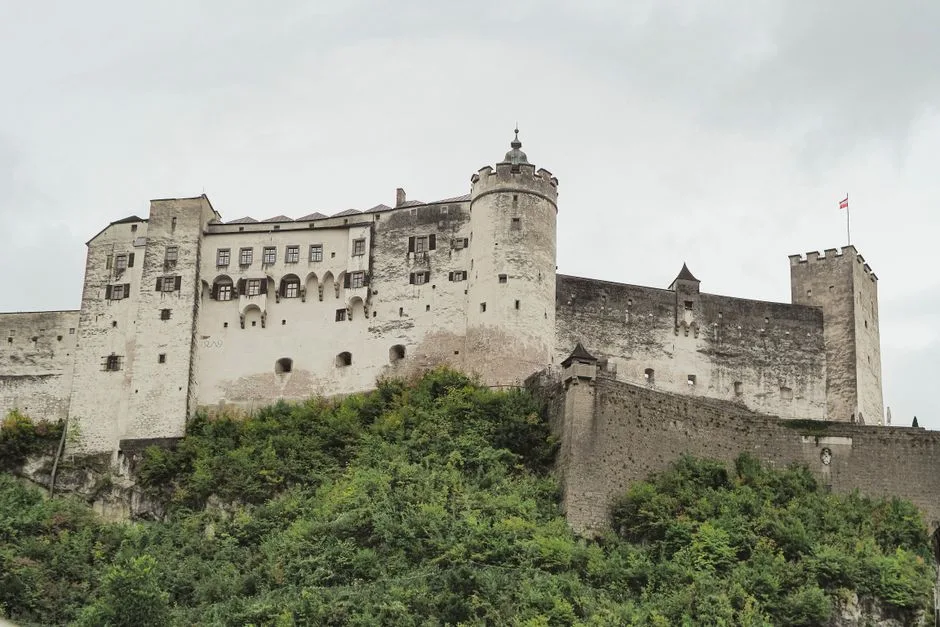
Hohensalzburg Fortress
One of the largest fully preserved medieval castles in Europe; this 1077 stronghold dominates the Festungsberg at 506 metres elevation; the Golden Hall features late-Gothic woodcarvings and twisted marble columns; stand on the Kuenburg Bastion at dusk when the Salzach river reflects the fading violet sky; the sound of cathedral bells from the Altstadt below rises as a rhythmic; metallic echo against the limestone walls.
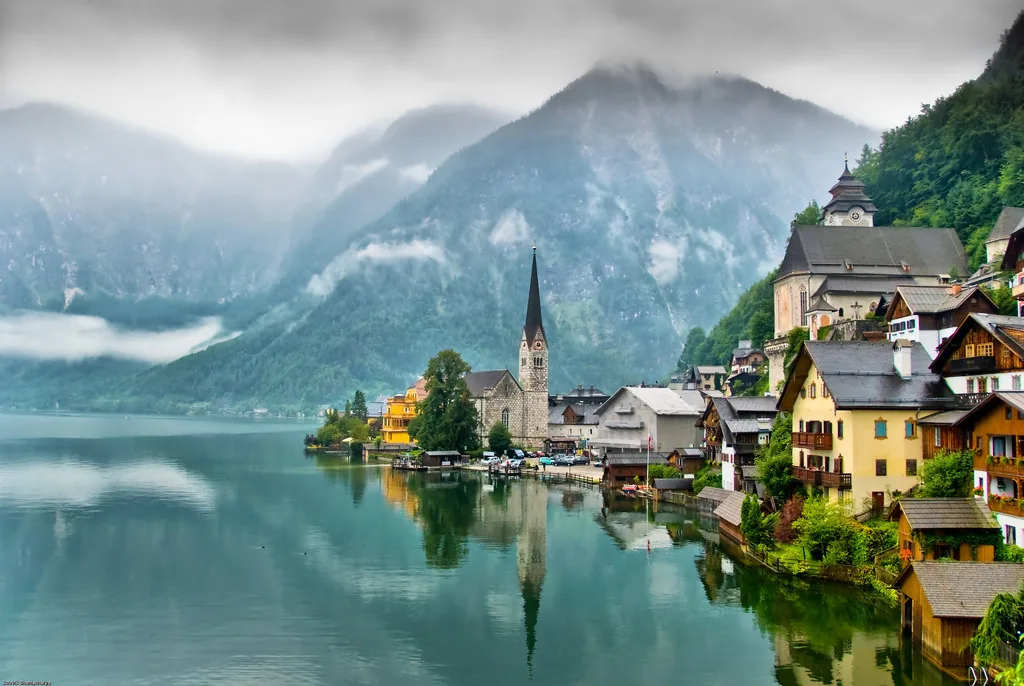
Hallstatt-Dachstein Salzkammergut
A 7;000-year-old salt mining landscape where timber-framed houses cling to a precipitous strip of land between the Hallstätter See and the Dachstein massif; the skywalk at 350 metres offers a vertical perspective of the glacial fjord; arrive at the northern waterfront at sunrise when the mist peels off the black water; the silence is so absolute you can hear the creak of wooden oars from a distance.
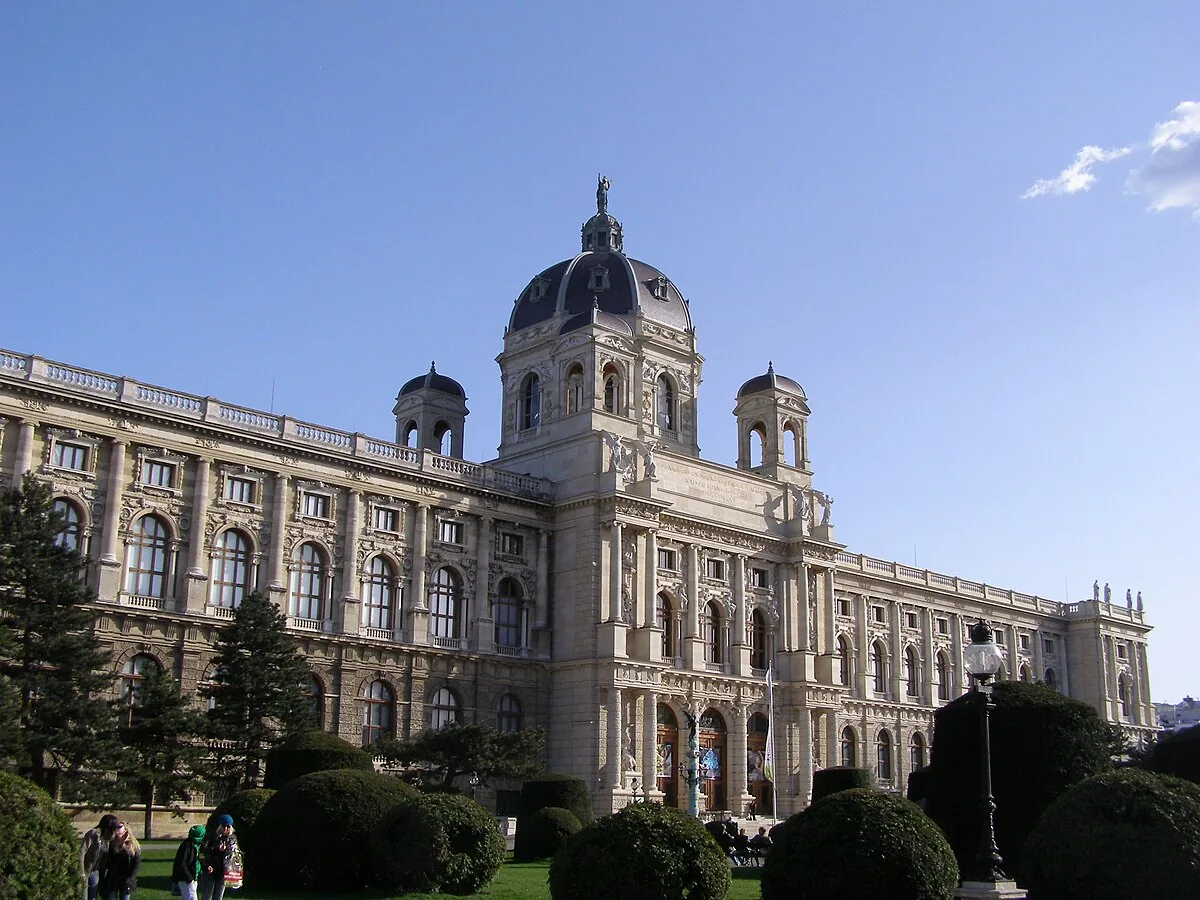
Kunsthistorisches Museum
An 1891 Neo-Renaissance temple of art built to house the primary Habsburg collections; the Imperial Staircase features a ceiling fresco by Mihály Munkácsy and works by Klimt; stand in the Bruegel Room at 10 am when the natural light from the high clerestory windows illuminates the tactile details of The Hunters in the Snow; the smell of floor wax and old oil paint defines the hushed; cavernous galleries.
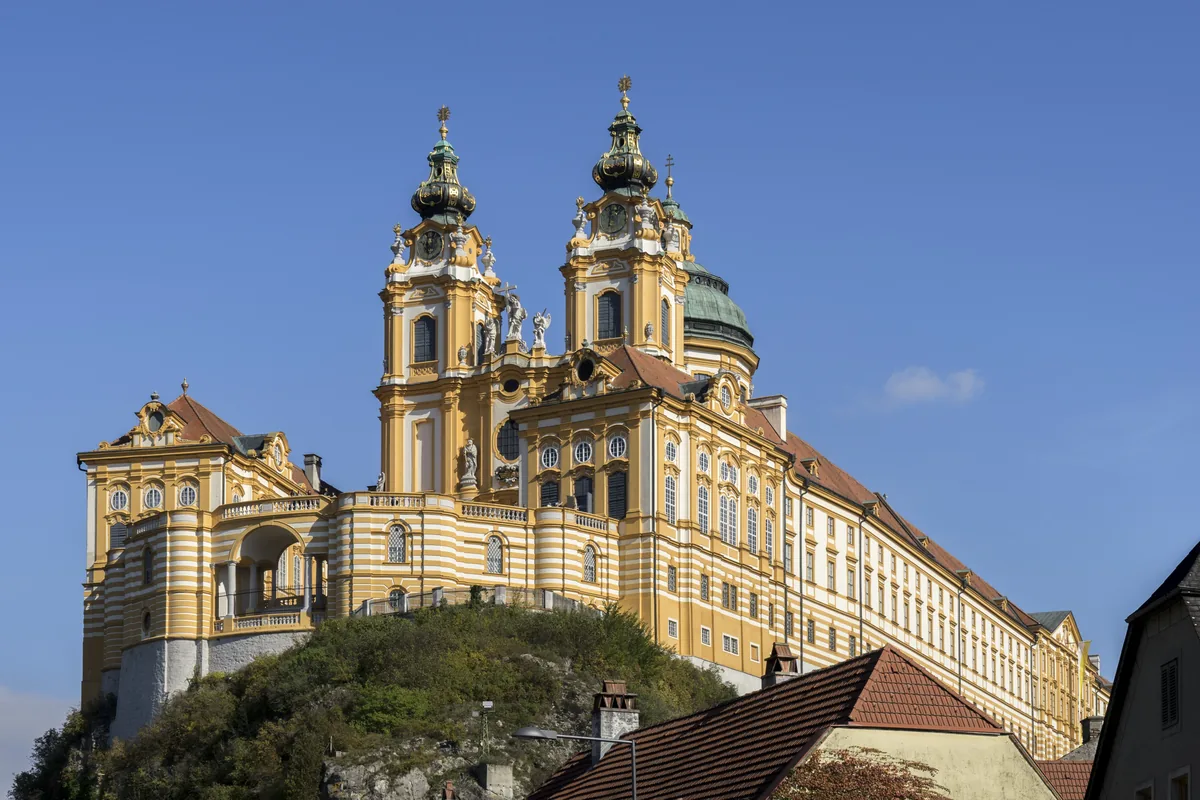
Stift Melk
A massive Benedictine abbey perched on a granite outcrop overlooking the Danube; rebuilt in the 18th century as a Baroque masterpiece of yellow and white masonry; the Library contains 100;000 volumes beneath a Paul Troger fresco; enter the Marble Hall at noon when the sunlight strikes the gilded altarpiece; the scale of the gold-leaf ornamentation is aggressive enough to overwhelm the visual field.
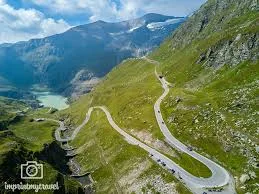
Großglockner Hochalpenstraße
A 48-kilometre high-alpine road peaking at 2;504 metres; cutting through the Hohe Tauern National Park toward Austria's highest peak; the Pasterze glacier appears as a fractured; blue-grey river of ice below the Kaiser-Franz-Josefs-Höhe; drive the hairpins at 6 am to catch the marmots emerging on the tundra; the air is thin; biting; and smells of cold shale and ancient snow.
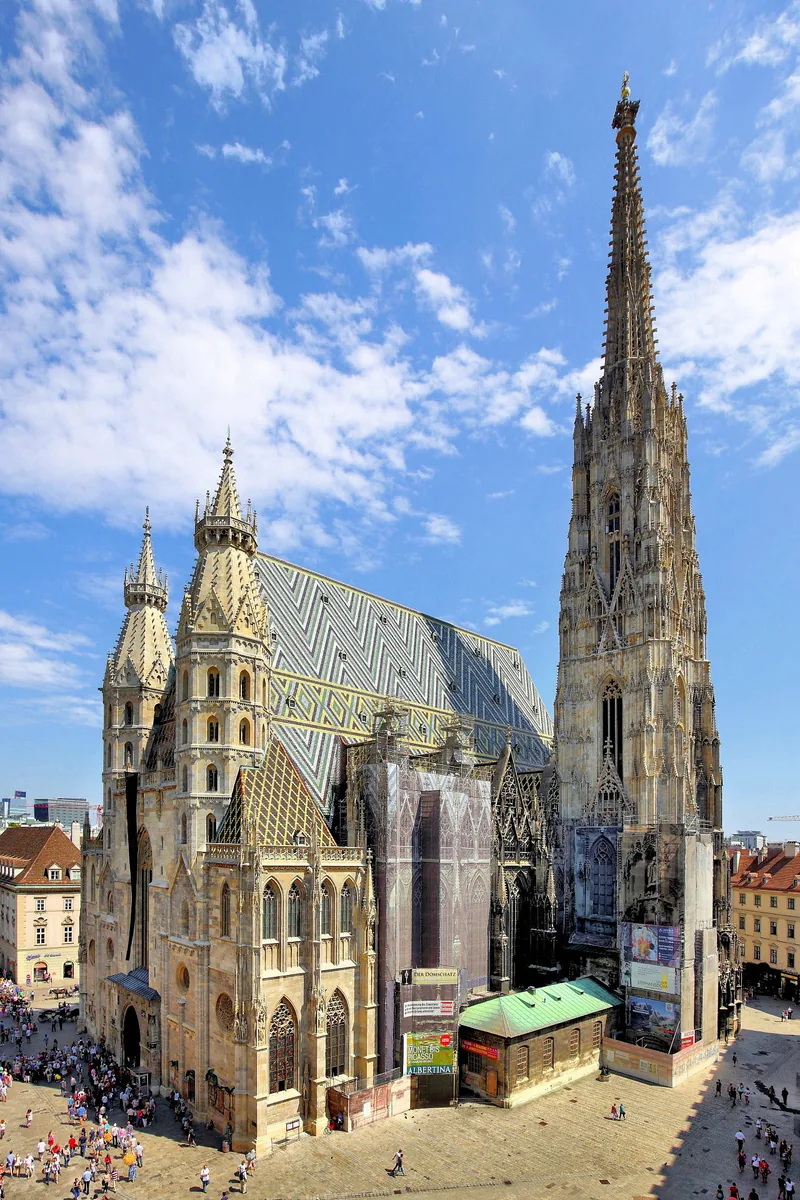
Stephansdom
The 12th-century Gothic heart of Vienna is defined by its 136-metre South Tower and a roof of 230;000 glazed tiles in a chevron pattern; the limestone walls bear the scars of centuries; including 1945 fire damage; descend into the catacombs at dusk when the humidity drops; the sound of the Pummerin bell tolling creates a physical vibration in the stone floor of the nave.
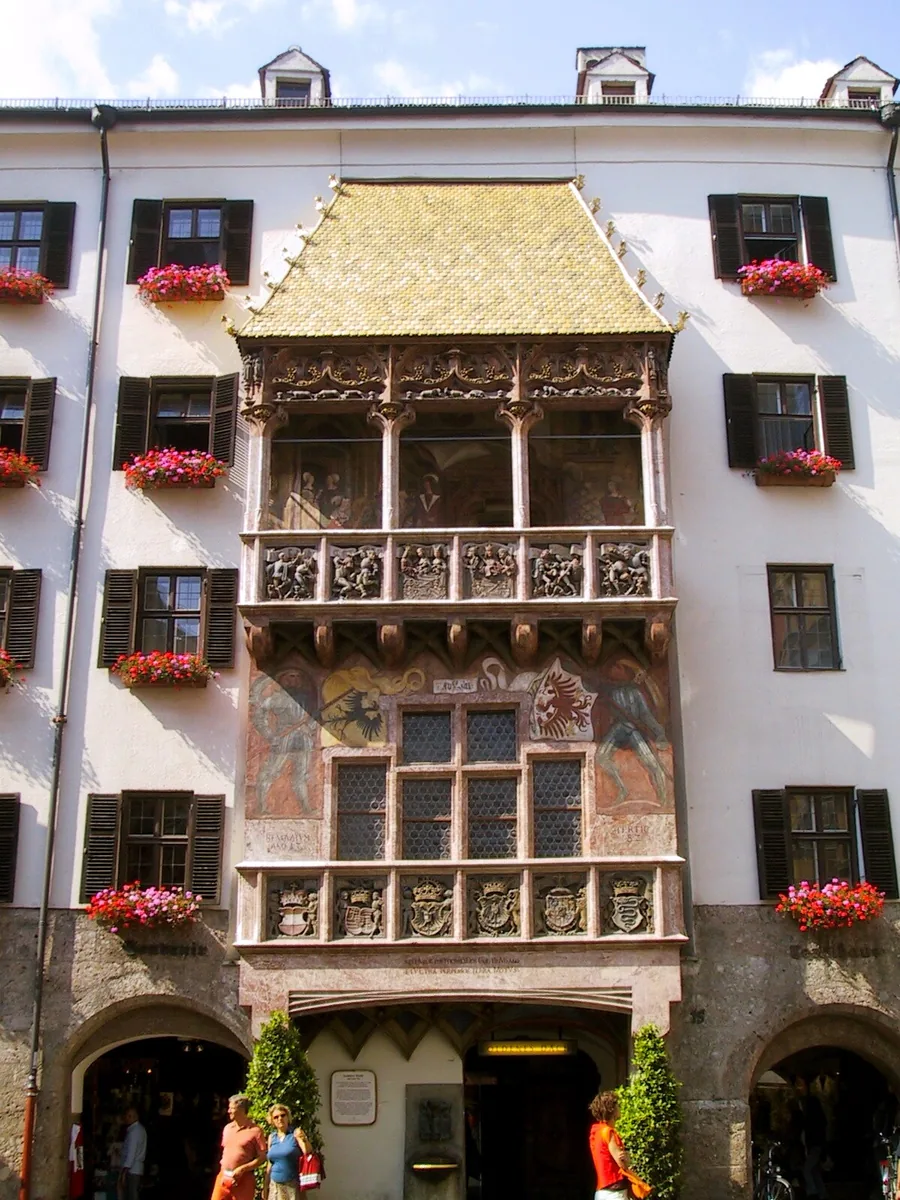
Goldenes Dachl
A late-Gothic oriel adorned with 2;657 fire-gilded copper tiles completed in 1500 for Emperor Maximilian I; the relief carvings depict the Emperor between his two wives; stand in the Herzog-Friedrich-Straße at noon when the sun hits the copper roof; the glare is blinding; turning the structure into a literal beacon of gold against the jagged limestone peaks of the Nordkette.
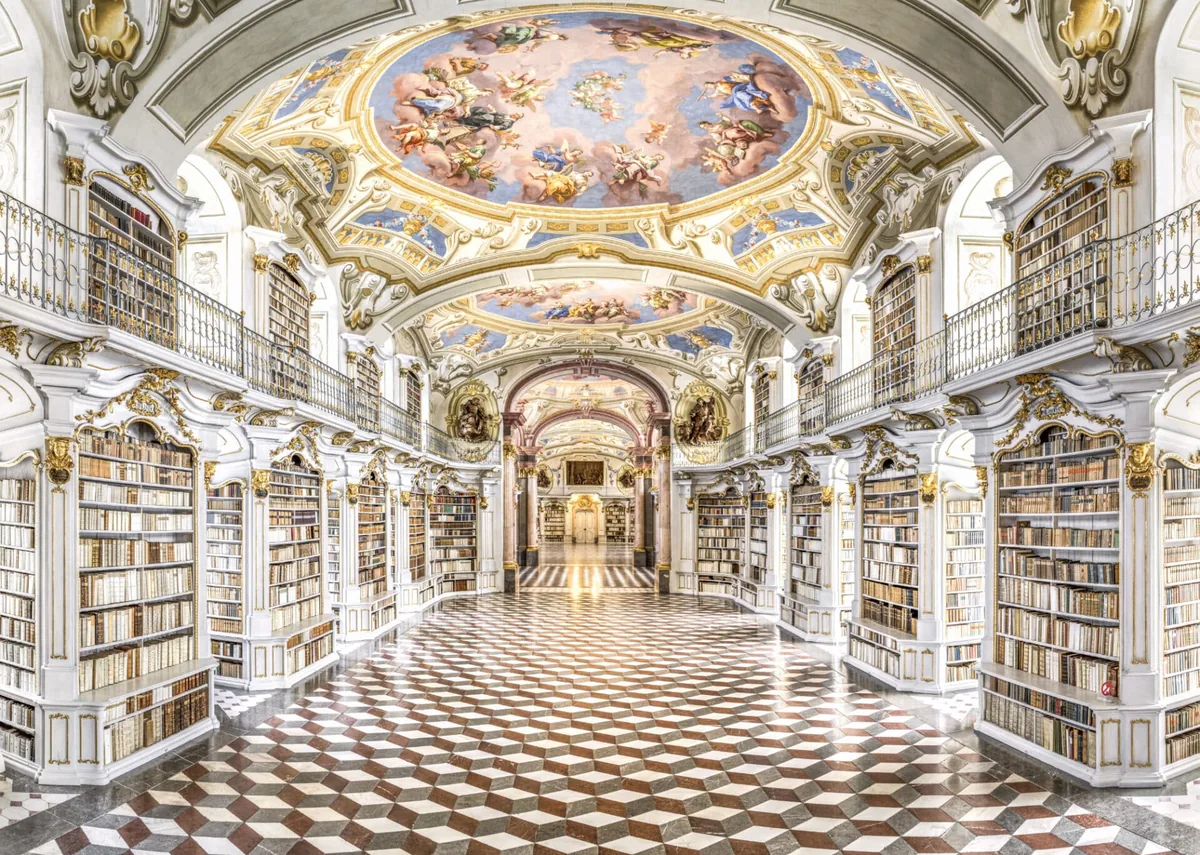
Stift Admont Library
The world’s largest monastic library; completed in 1776; is a triumph of Enlightenment Baroque with seven ceiling frescoes depicting the stages of human knowledge; the white-and-gold shelving lacks any black books to maintain the architectural 'light'; walk the central aisle at midday when the sun illuminates the Josef Stammel carvings; the texture of the hand-tooled leather bindings feels like fossilised fabric.
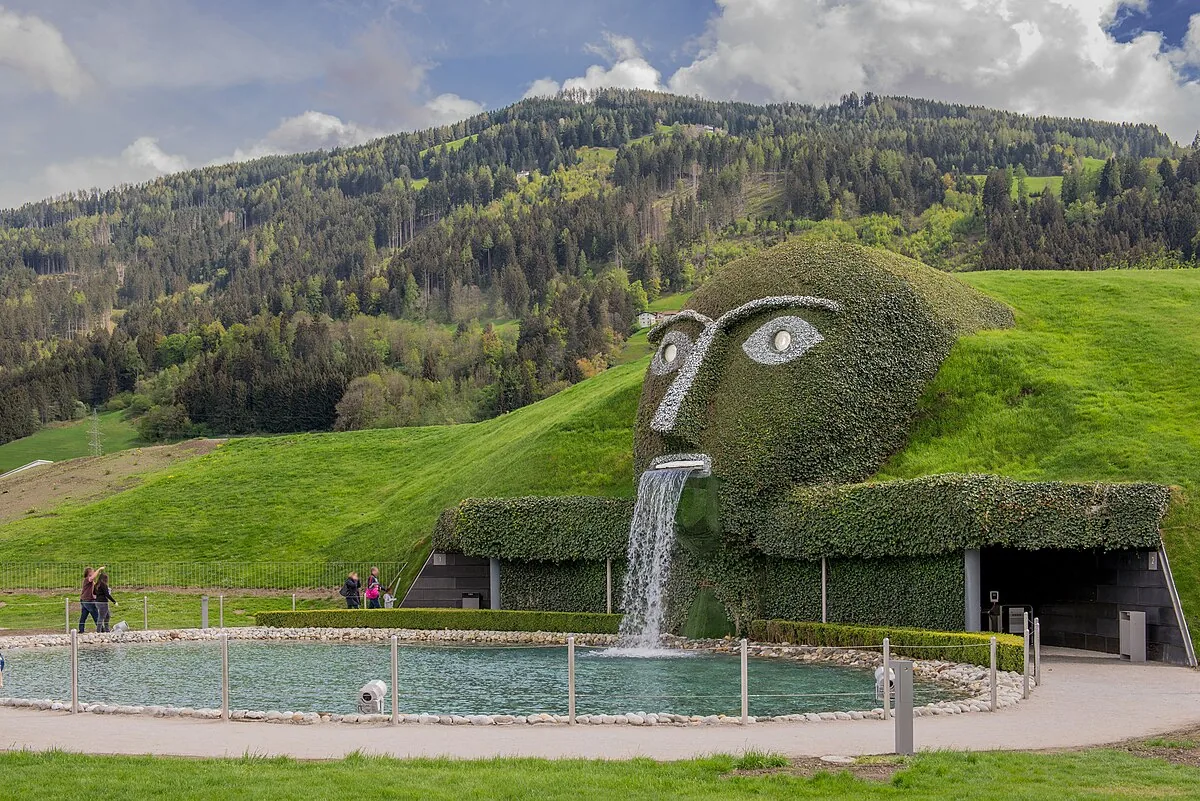
Swarovski Kristallwelten
A subterranean chamber of wonders entered through a giant; grass-covered head with a waterfall mouth; the 'Crystal Dome' utilizes 595 mirrors to create a faceted; kaleidoscopic infinity; visit the Giant’s garden at dusk when the Crystal Cloud, 800;000 hand-mounted crystals, catches the low-angled light; the sound of wind through the wire mesh creates a faint; metallic shimmering noise.
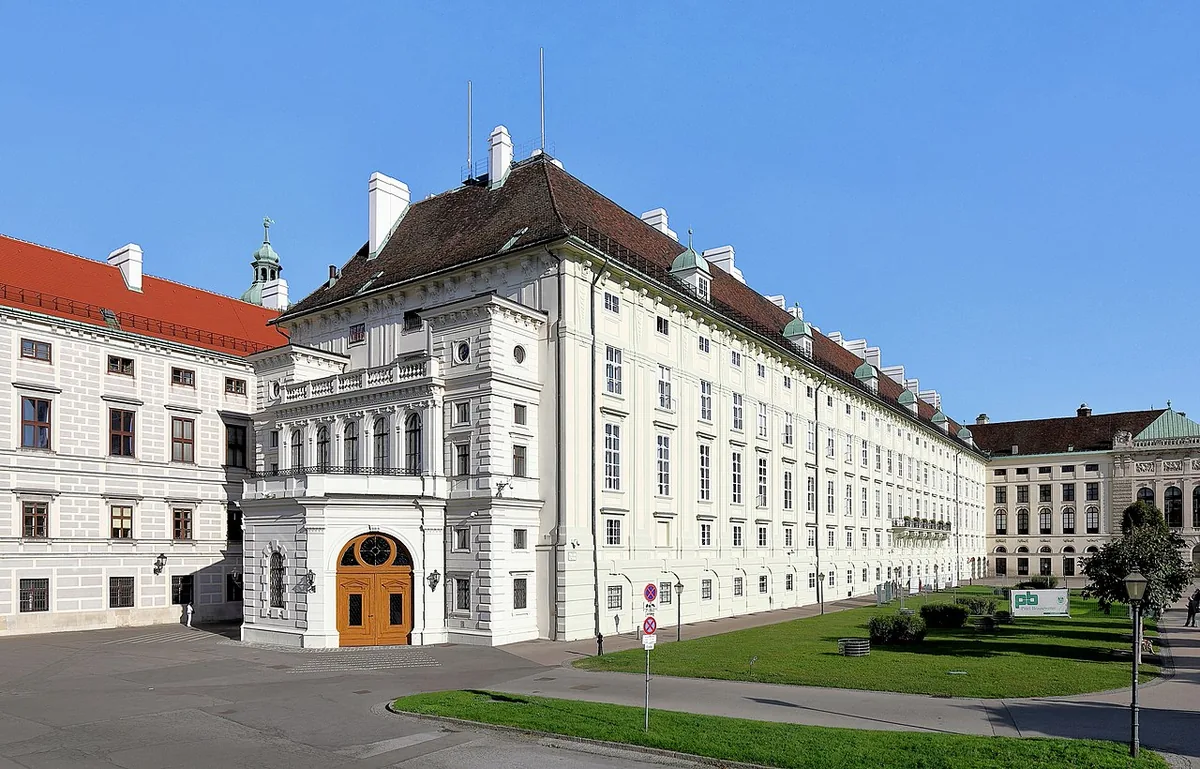
The Hofburg
The 13th-century winter palace and administrative nerve centre of the Habsburg Empire; the Treasury houses the 10th-century Imperial Crown of the Holy Roman Empire; watch the Lipizzaner stallions in the Winter Riding School at 10 am; the smell of horsehide and sawdust mixes with the austere; white-plastered Baroque surroundings; the scale of the Michaelertor gatehouse dominates the city’s historic core.
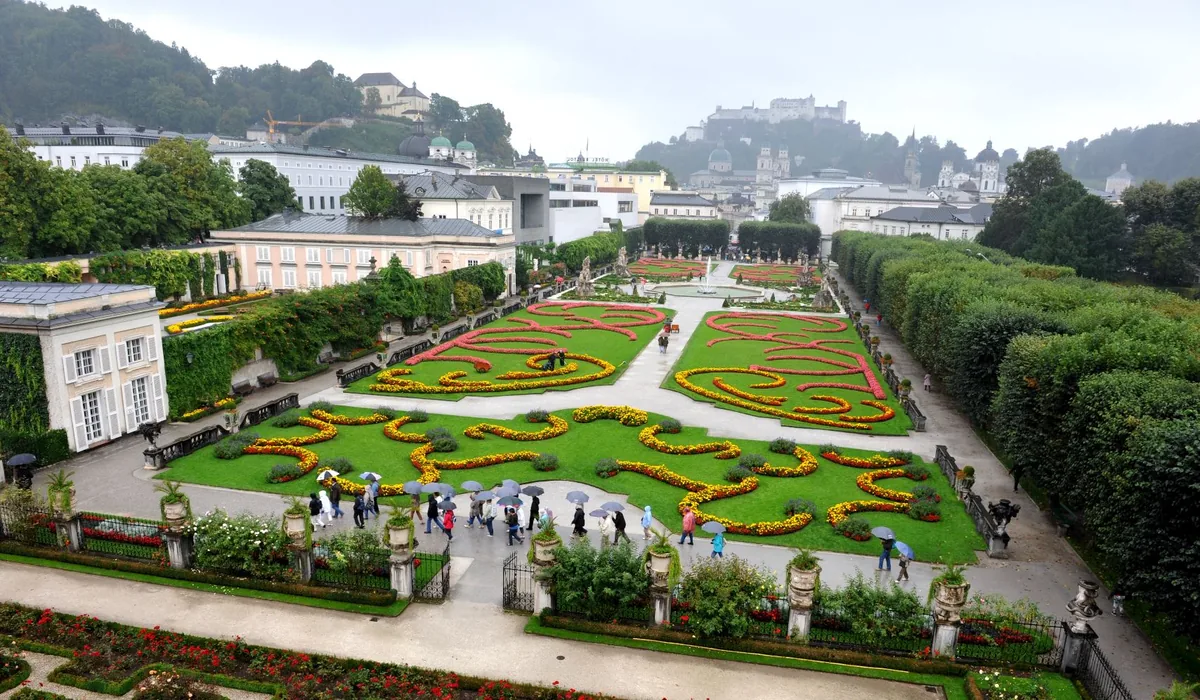
Mirabellgarten
A 1690 geometric garden designed along a visual axis toward the cathedral and fortress; featuring the Pegasus Fountain and the Dwarves’ Garden of marble caricatures; walk the Rose Garden in June when the scent of 100 varieties is trapped by the high stone walls; the sound of the fountains provides a rhythmic; cooling white noise against the afternoon Salzburg heat.
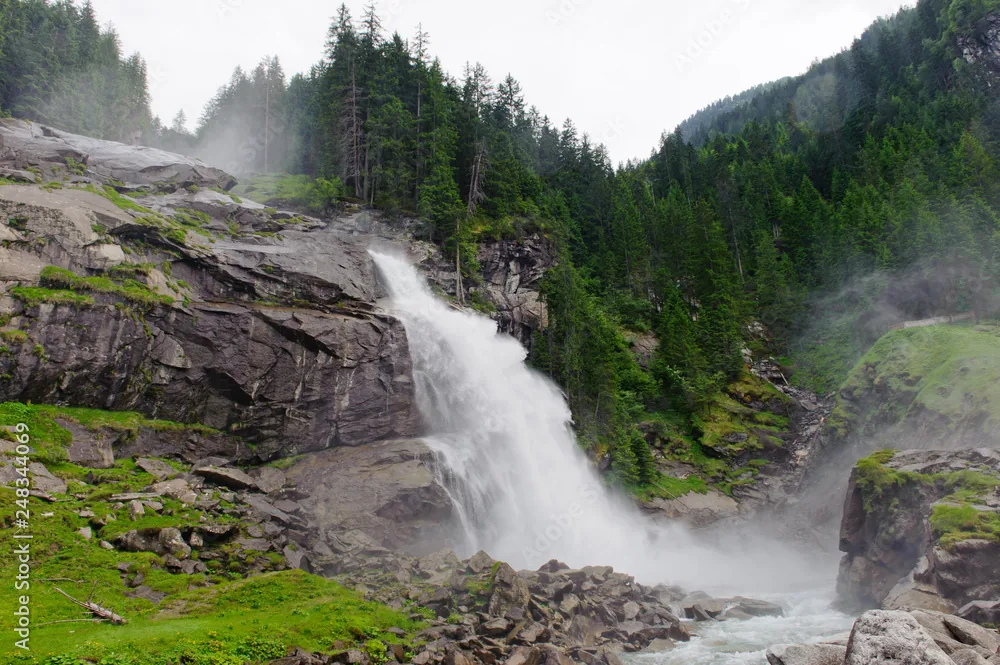
Krimmler Wasserfälle
Europe’s highest waterfalls drop 380 metres in three stages over moss-slicked granite into the Salzach Valley; the sheer volume of water creates a permanent cloud of ionised spray; hike to the middle fall at 9 am when the light creates rainbows in the mist; the roar of the water is so intense it vibrates in the soles of your boots; the air feels heavy and electrically charged.
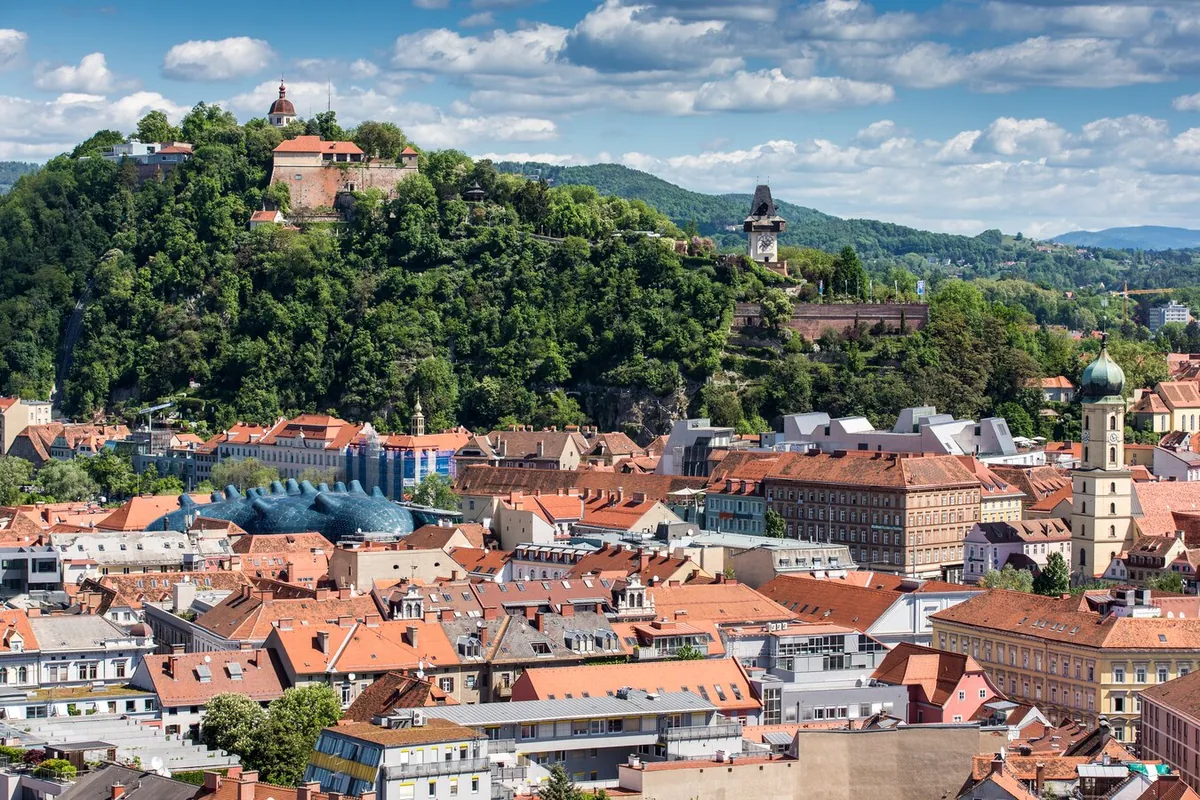
Schlossberg
A dolomite hill rising 123 metres over the city; crowned by the 16th-century Uhrturm clock tower whose hands are reversed; the zigzagging stone stairs were carved during World War I; climb to the bastion at dawn to watch the red-tiled roofs of the Altstadt emerge from the Mur valley fog; the sound of the city waking is muffled by the heavy pine canopy.
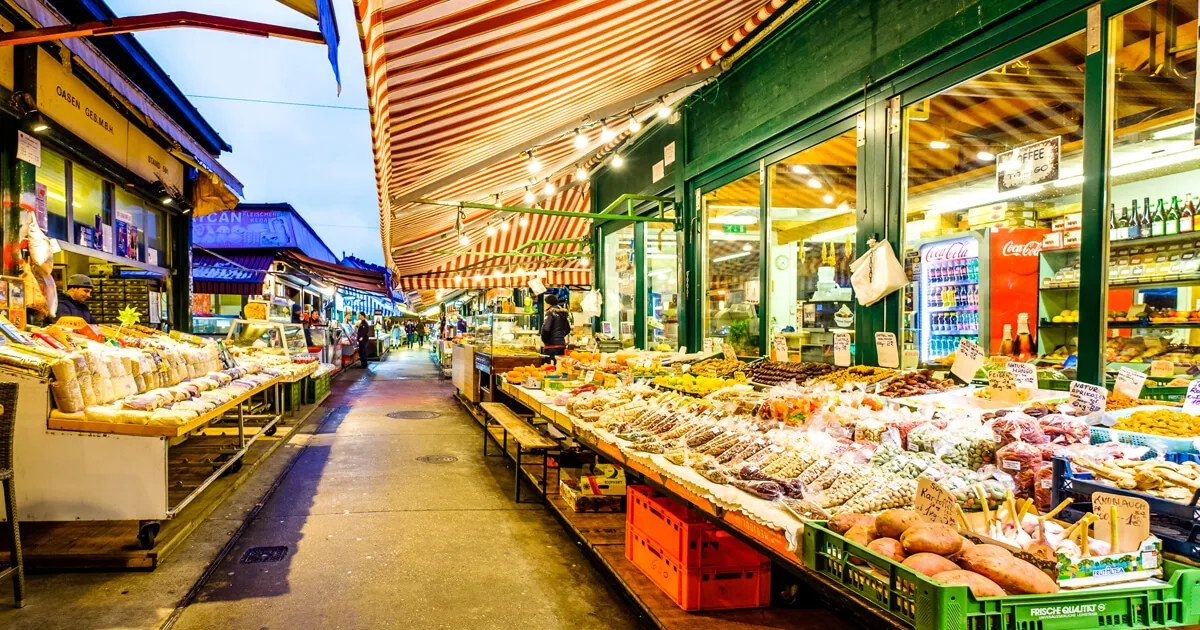
Naschmarkt
Vienna’s premier market since the 16th century stretches for 1.5 kilometres between Art Nouveau pavilions by Otto Wagner; traders bargain over Persian saffron; mountain cheeses; and local vinegar; arrive on a Saturday morning during the flea market when the sound of clinking silverware and shouting in five languages is constant; the smell of fermented cabbage and grilled meat defines the western end.
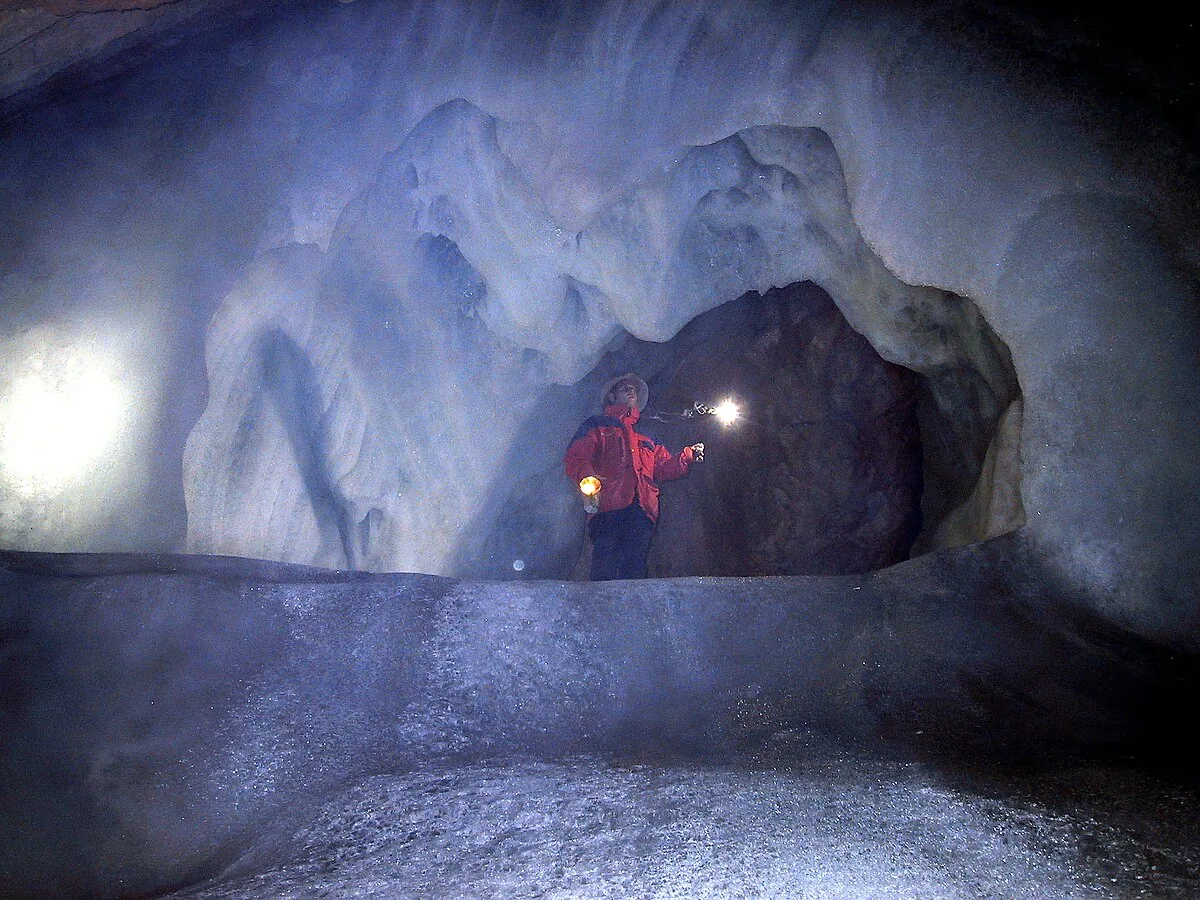
Eisriesenwelt
The world’s largest ice cave system stretches for 42 kilometres through the Tennengebirge limestone massif; the interior features massive; frozen ice-sculptures like the 'Hymir Castle' formed by centuries of meltwater; enter with a magnesium lamp at 11 am; the light reflects off the translucent blue ice walls while the temperature remains a constant 0°C; the silence inside the mountain is absolute.
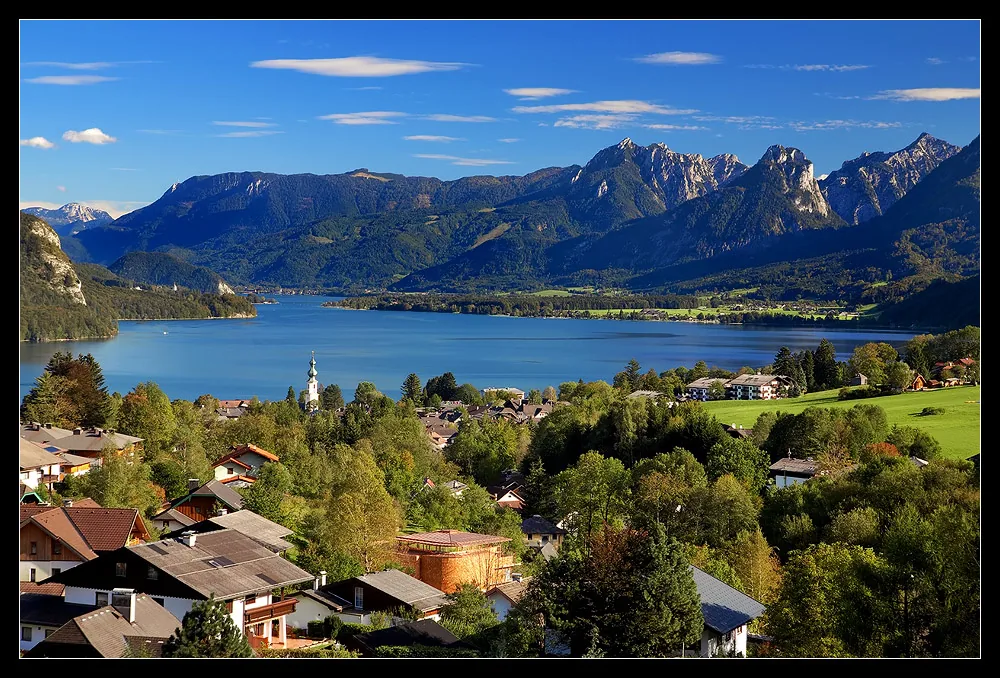
Wolfgangsee
A turquoise glacial lake in the Salzkammergut at 538 metres elevation; the Schafbergbahn cog railway climbs from the shore to the 1;783-metre summit; take the paddle steamer at dusk when the alpine glow hits the Zwölferhorn; the water is clear enough to see the limestone bed; the sound of the steam whistle echoes off the vertical rock faces of the Falkenstein wall.
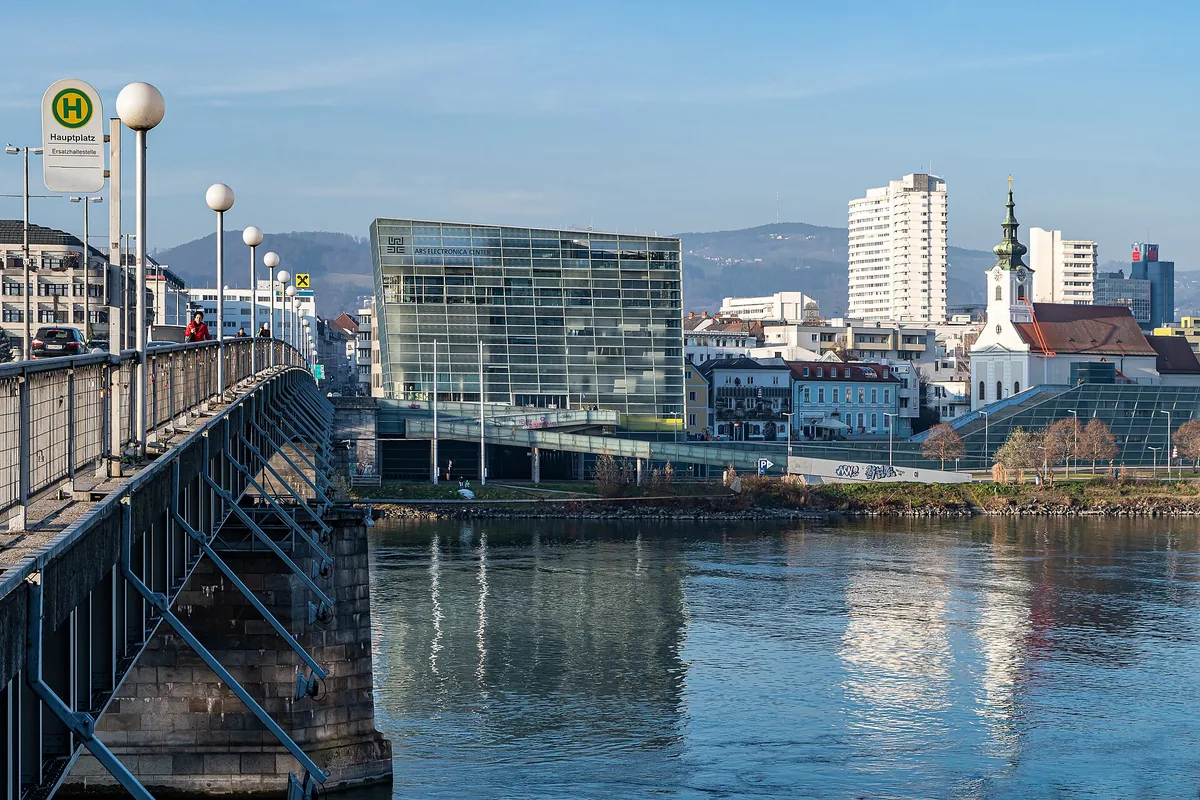
Ars Electronica Center
The 'Museum of the Future' is encased in a 5;000-square-metre LED facade that shifts colour based on the Danube's temperature; the Deep Space 8K gallery delivers 16-by-9 metre projections of high-resolution galaxy scans; visit at night when the steel and glass structure glows neon-violet; the clinical smell of electronics and the hum of high-powered projectors create a sterile; futuristic atmosphere.
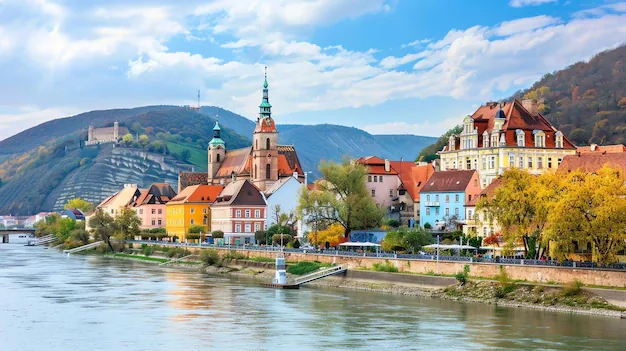
Wachau Valley
A 36-kilometre stretch of the Danube carved through the Bohemian Massif; defined by terraced Riesling vineyards on sun-bleached primary rock; the ruins of Dürnstein castle sit 150 metres above the blue river; hike the World Heritage Trail at noon when the heat radiates off the dry-stone walls; the scent of blossoming apricot trees in spring is heavy; sweet; and ubiquitous.
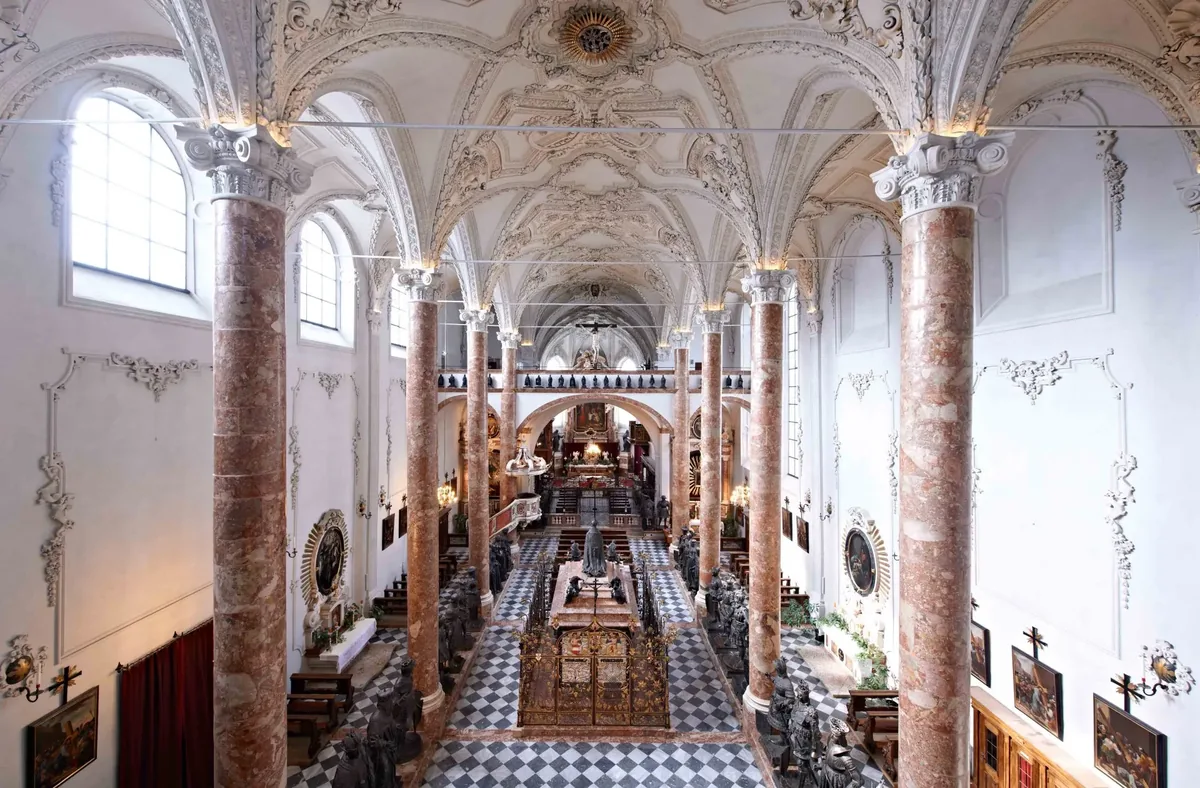
Hofkirche
A 1553 Gothic court church built to house the cenotaph of Emperor Maximilian I; surrounded by 28 'Black Men', colossal bronze statues of ancestors and legends; stand in the nave at 4 pm when the light strikes the bronze armour; the cold; dark metal contrasts sharply with the ornate marble floor; the silence is punctuated only by the distant click of heels on the limestone.
Hofkirche
Twenty-eight massive bronze giants stand guard over a magnificent imperial tomb, yet the Emperor for whom they were built is buried over five hundred kilometers away in a completely different city.