Explore
Landmarks & Places
Must-see destinations across Germany
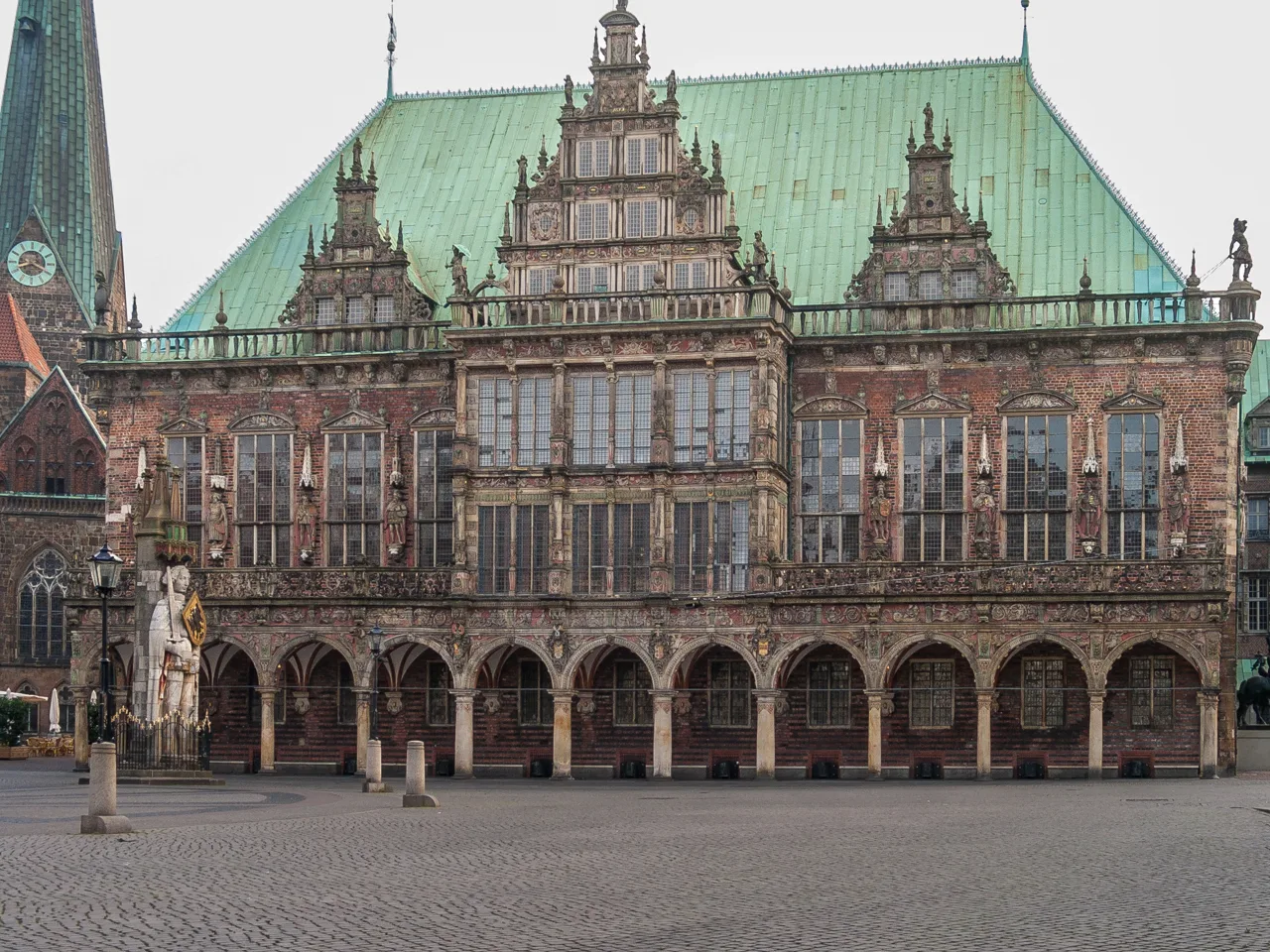
Altes Rathaus Bremen
Bremen built its Town Hall in 1409 to assert its independence from feudal authority. In 1612 it added a Renaissance facade on top. The wine cellar beneath it has been in continuous operation since 140
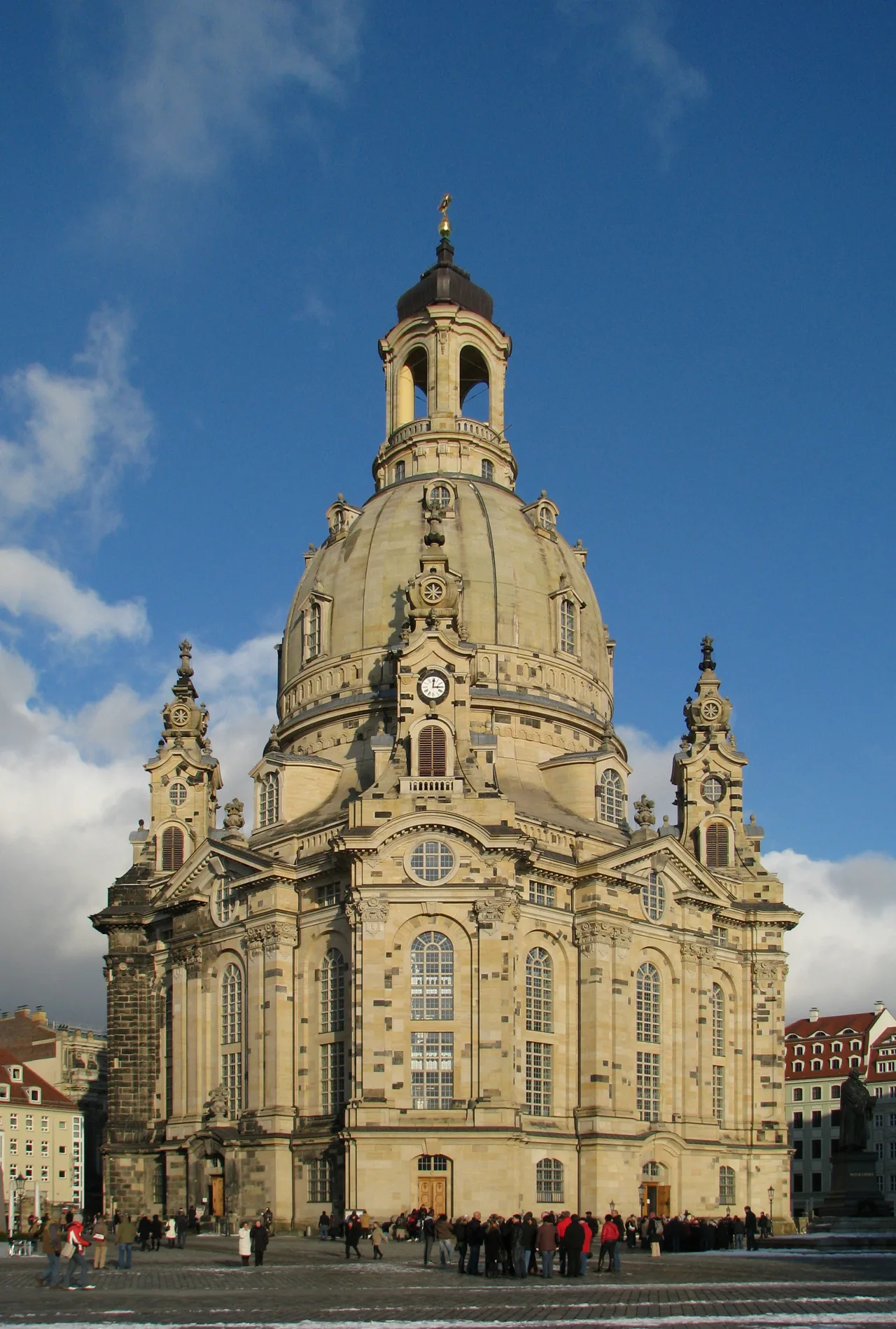
Frauenkirche Dresden
George Bähr's sandstone dome held for two days after the Dresden firebombing before the heat cracked it. The ruins stood for fifty years. The reconstruction used 8,425 original stones, identifiable be
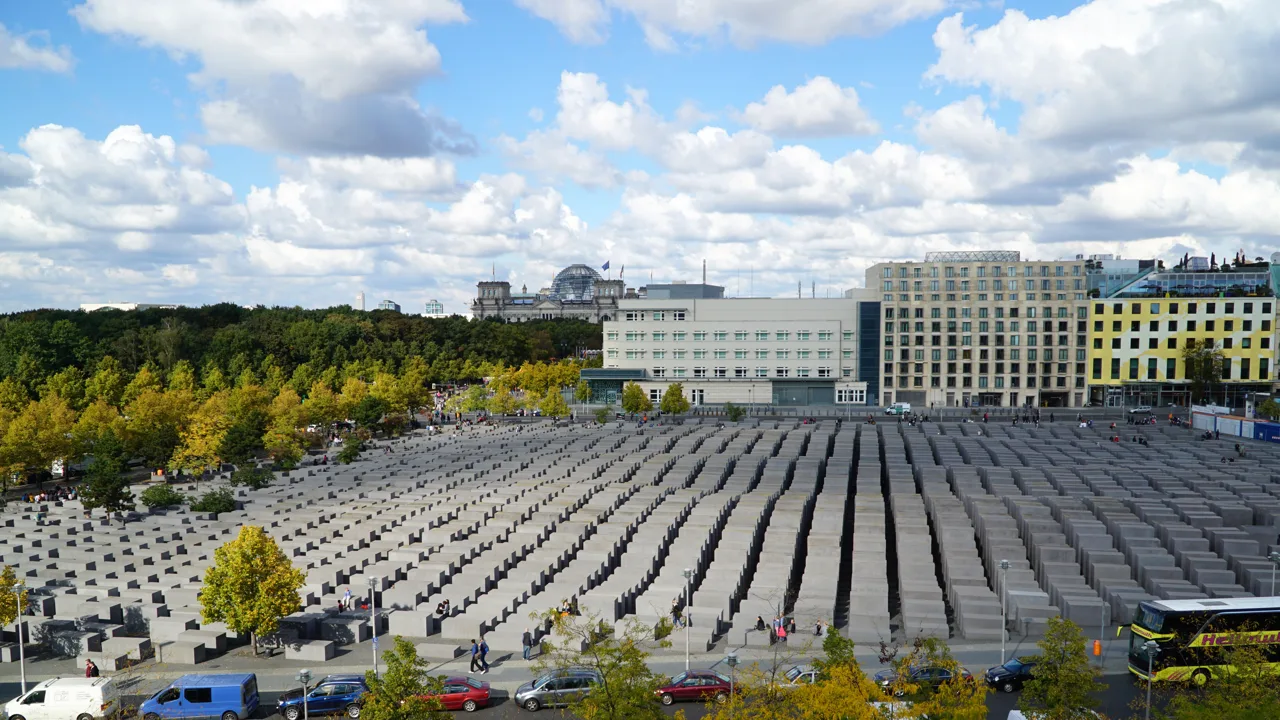
Holocaust Memorial
Berlin placed 2,711 grey concrete blocks on 19,000 square meters in the center of the city, a 5-minute walk from the Brandenburg Gate. The debate about whether abstraction was the right choice for com
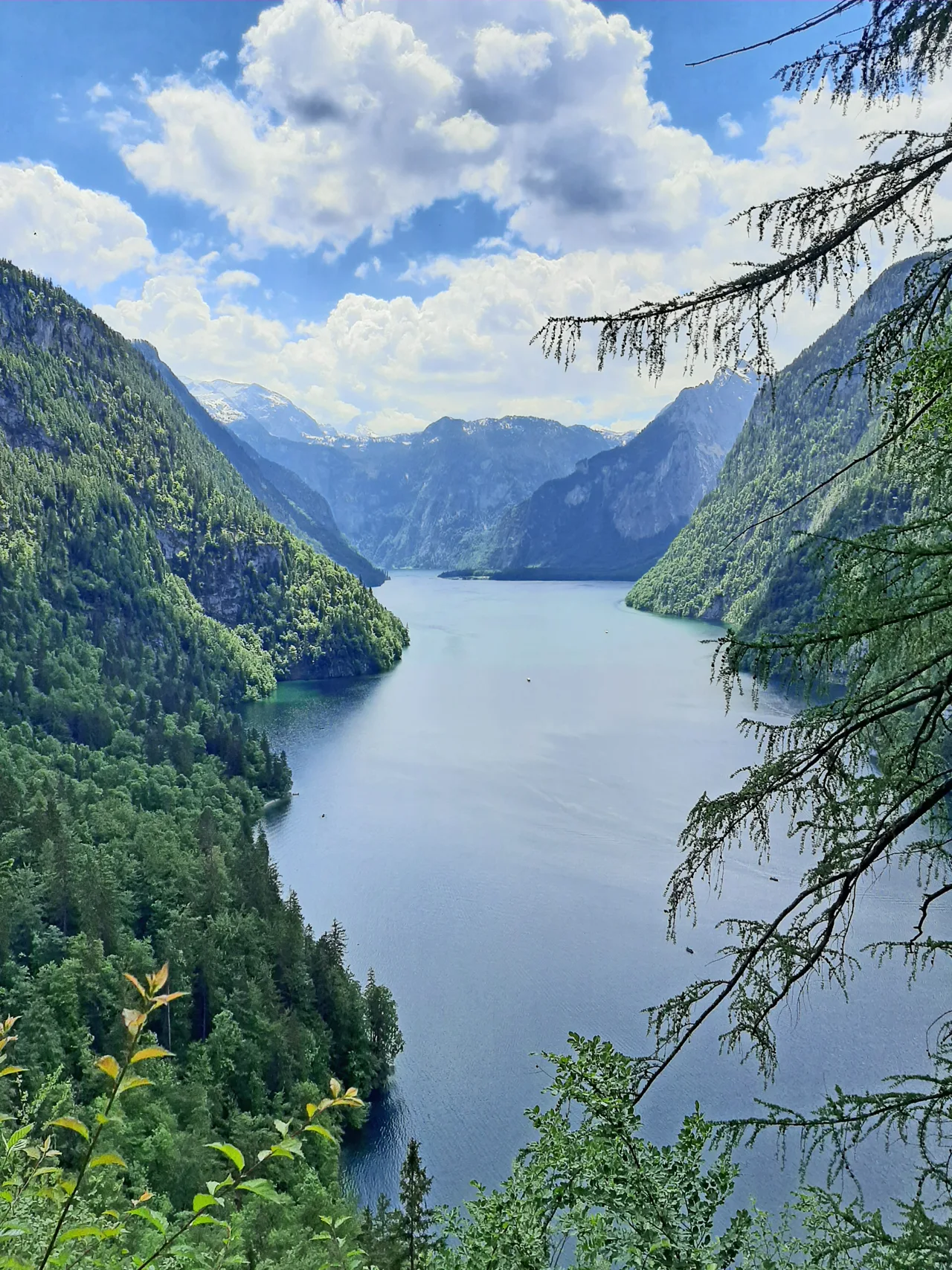
Königssee
Only silent electric motors are permitted on these emerald waters, ensuring that a flugelhorn played mid-lake can echo off the mountain walls seven distinct times.
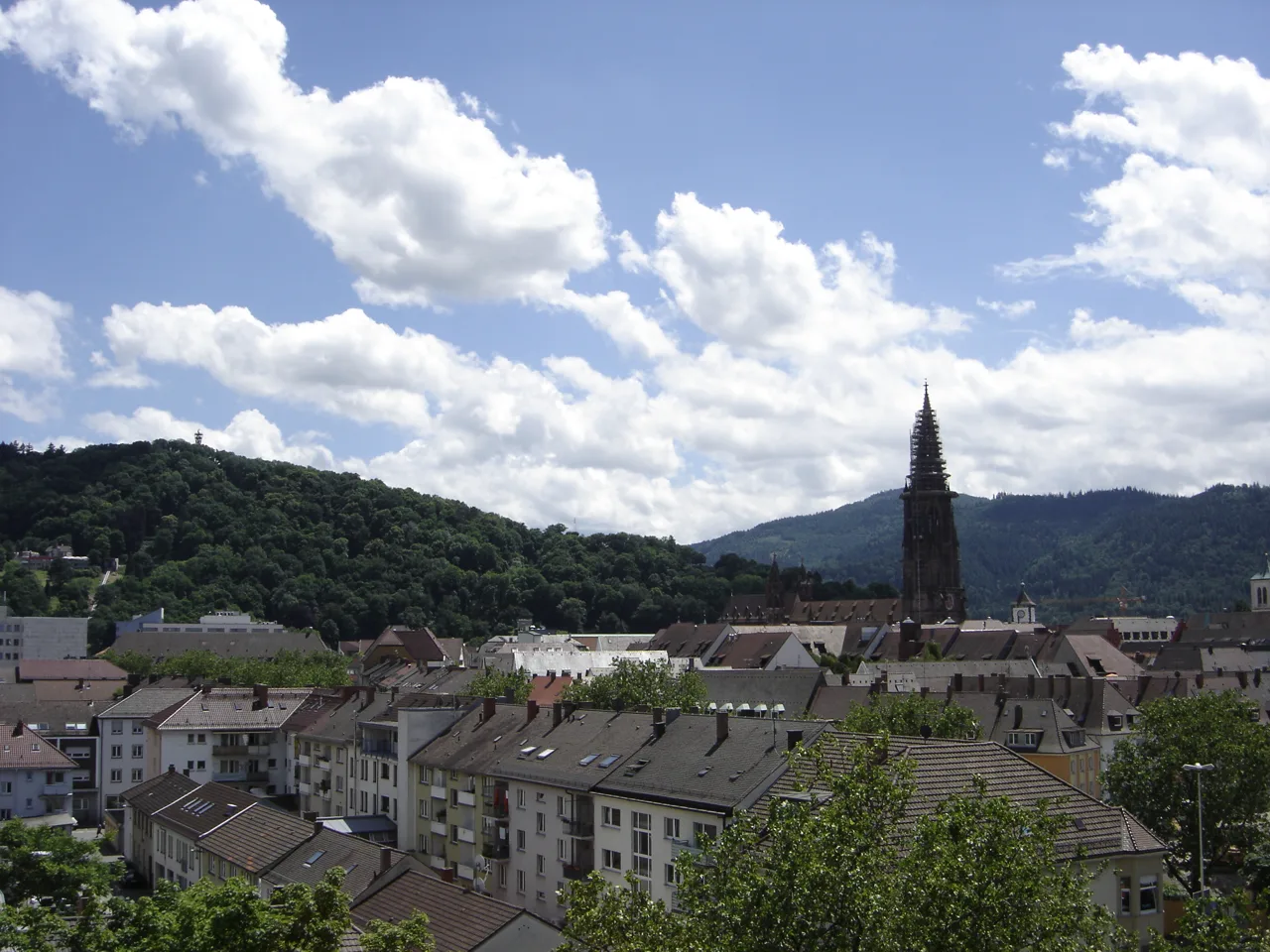
Schlossberg Freiburg
Freiburg's castle was dismantled stone by stone in 1745 by French forces to prevent anyone using it militarily. The cleared hill became a park, then got a cable car in 1968, and now has a viewing towe
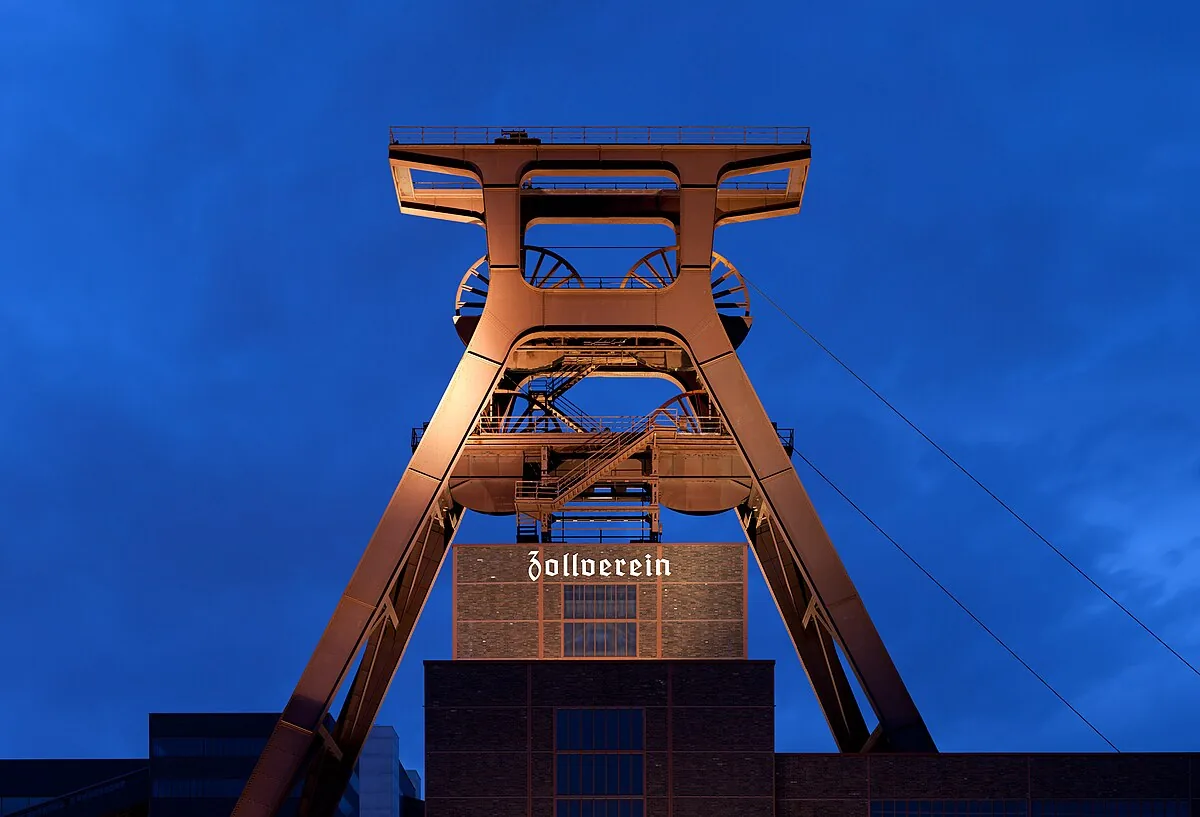
Zollverein
Bauhaus architects designed this coal mine in 1932 as architecture, not just engineering. Contemporary critics called it a cathedral of industry. The last coal was mined in 1986. Now there is an ice r
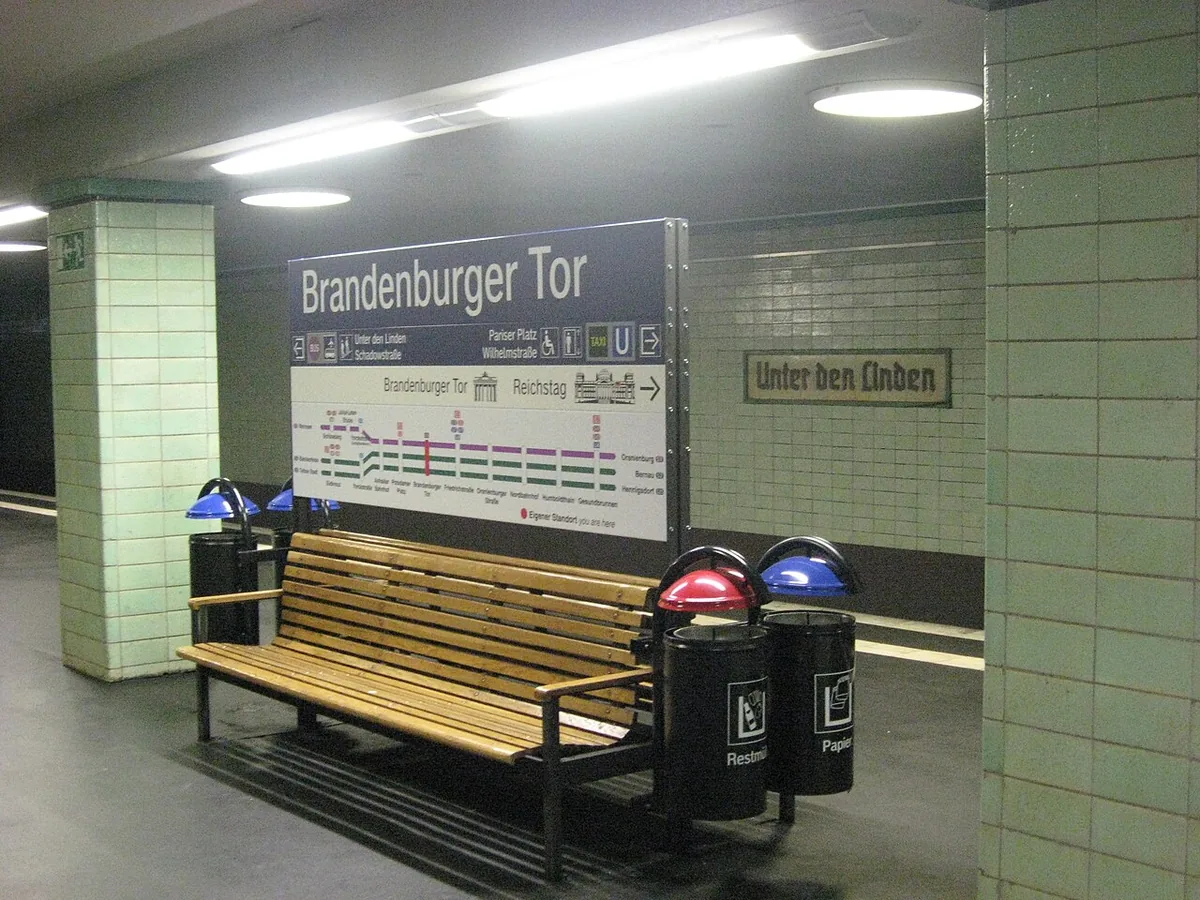
Brandenburger Tor
A 26-metre high sandstone triumphal arch completed in 1791; this Neoclassical gateway is topped by the bronze Quadriga and represents the terminal point of Unter den Linden; stand at Pariser Platz at midnight when the yellow floodlights isolate the Doric columns against the black sky; the silence of the square provides a heavy contrast to its 1989 history of division.
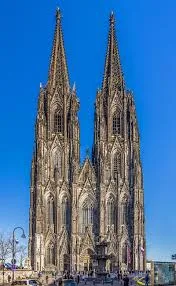
Kölner Dom
A High Gothic masterpiece whose twin spires reach 157 metres; the cathedral took 632 years to complete and houses the gilded Shrine of the Three Kings; the interior turns amber at 4 pm when the western clerestory windows catch the low sun; illuminating the 13th-century floor mosaics; the air is thick with the scent of frankincense and the muffle of rubber-soled shoes on stone.
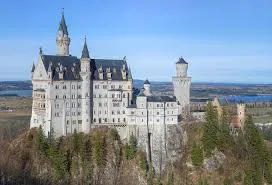
Schloss Neuschwanstein
A 19th-century Romanesque Revival citadel perched on a jagged alpine outcrop 800 metres above the Pöllat Gorge; the interior remains an unfinished Wagnerian fever dream of wood-carved grottoes and gilded thrones; walk to the Marienbrücke at dawn when the fog curls around the limestone turrets; the sound of the waterfall below is the only break in the cold mountain silence.
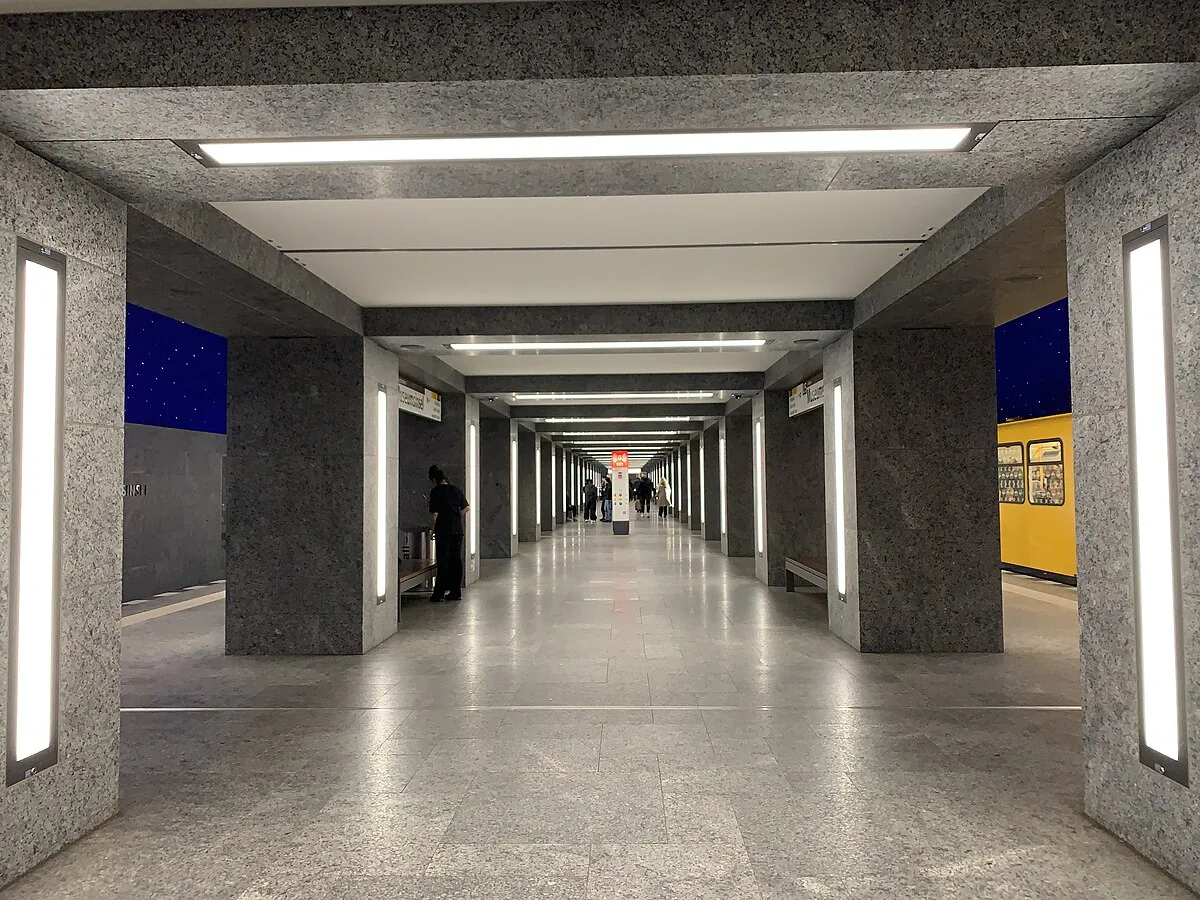
Museumsinsel
A UNESCO-listed ensemble of five world-class institutions; the Pergamon Museum features the massive 2nd-century BC Pergamon Altar and the glazed blue bricks of the Ishtar Gate; walk the central colonnade at noon when the natural light hits the Neoclassical facades; the scale of the classical statuary and the bullet-scarred walls of the Neues Museum provide a visceral timeline of German preservation and destruction.
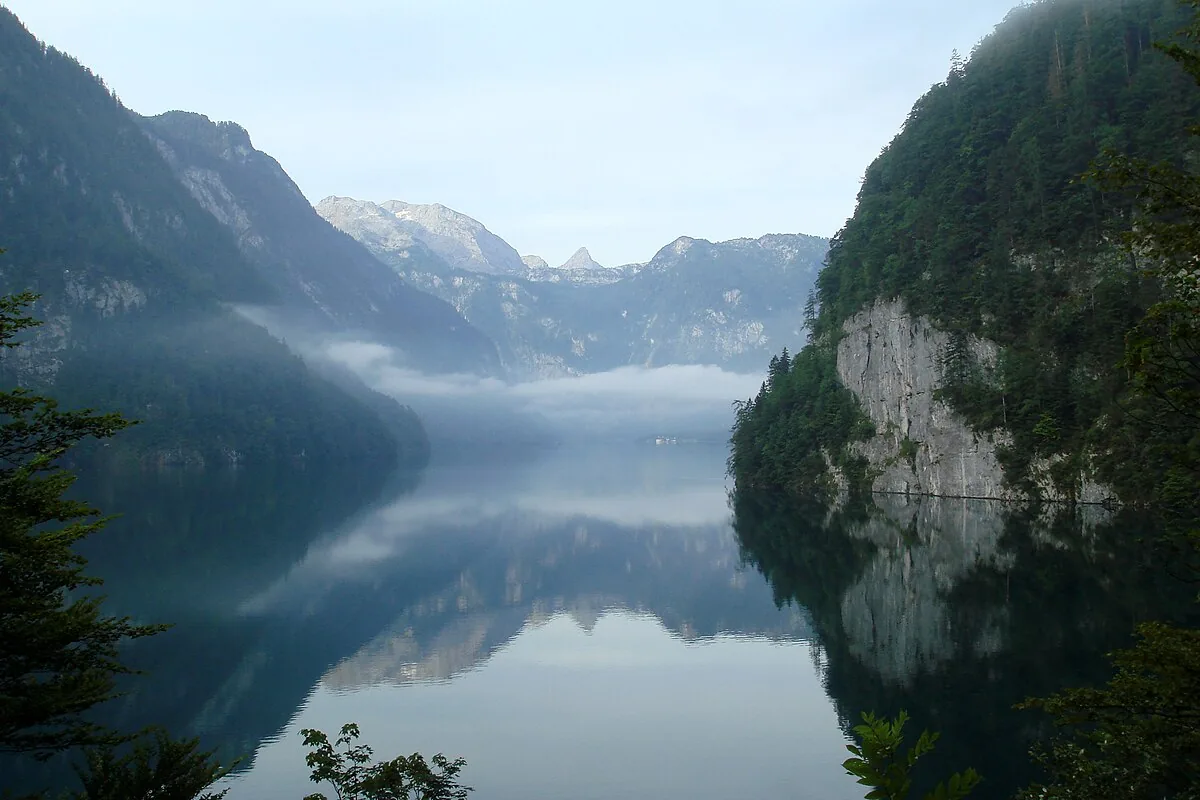
Königssee
A fjord-like emerald lake enclosed by the 2,700-metre sheer limestone faces of the Watzmann massif; the water reaches depths of 190 metres and is remarkably pure; take the electric boat to St. Bartholomä at 9 am; listen for the trumpet echo against the Echo Wall; the sound is sharp and clinical against the moss-slicked basalt cliffs.
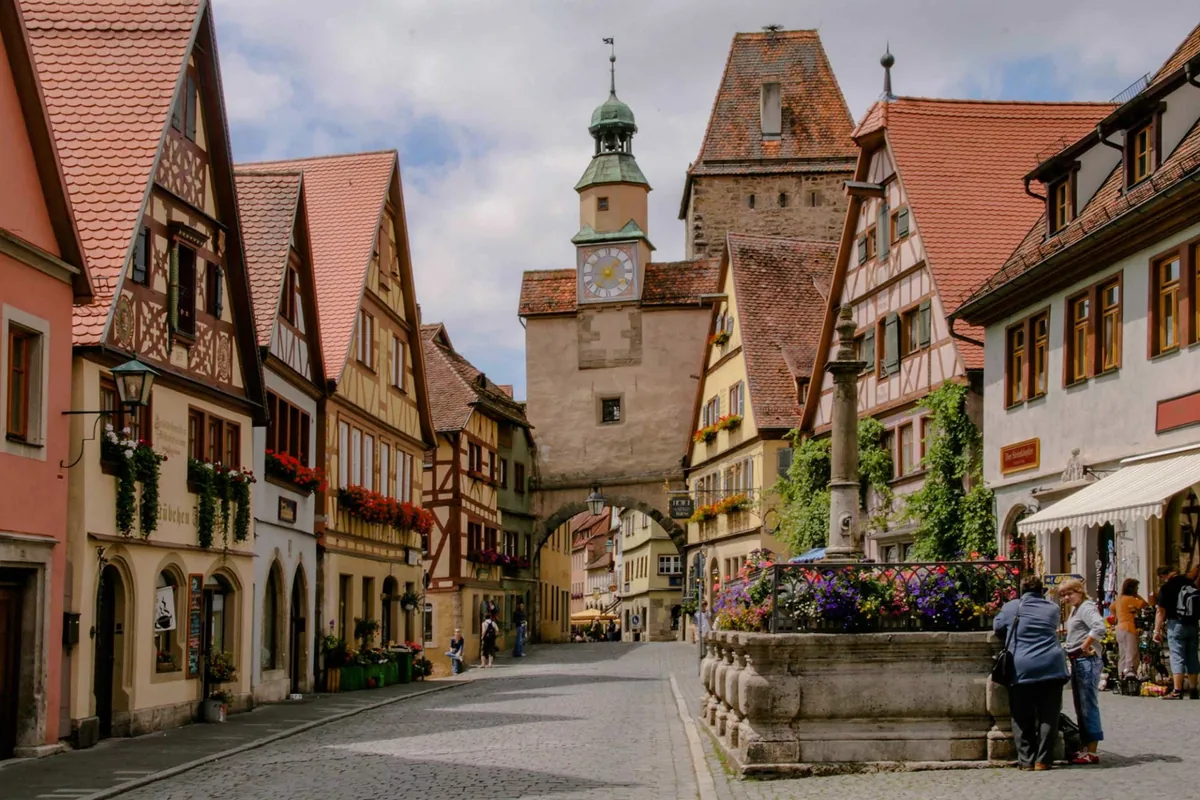
Altstadt
The definitive medieval Bavarian town enclosed by a complete 14th-century ring wall with 42 towers and gatehouses; the half-timbered gables of the Plönlein represent the zenith of Middle Ages urban planning; walk the covered battlements at dusk when the wood-smoke from hearths fills the narrow lanes; the sound of the Night Watchman’s iron-tipped staff on the cobblestones signals the city’s transition into night.
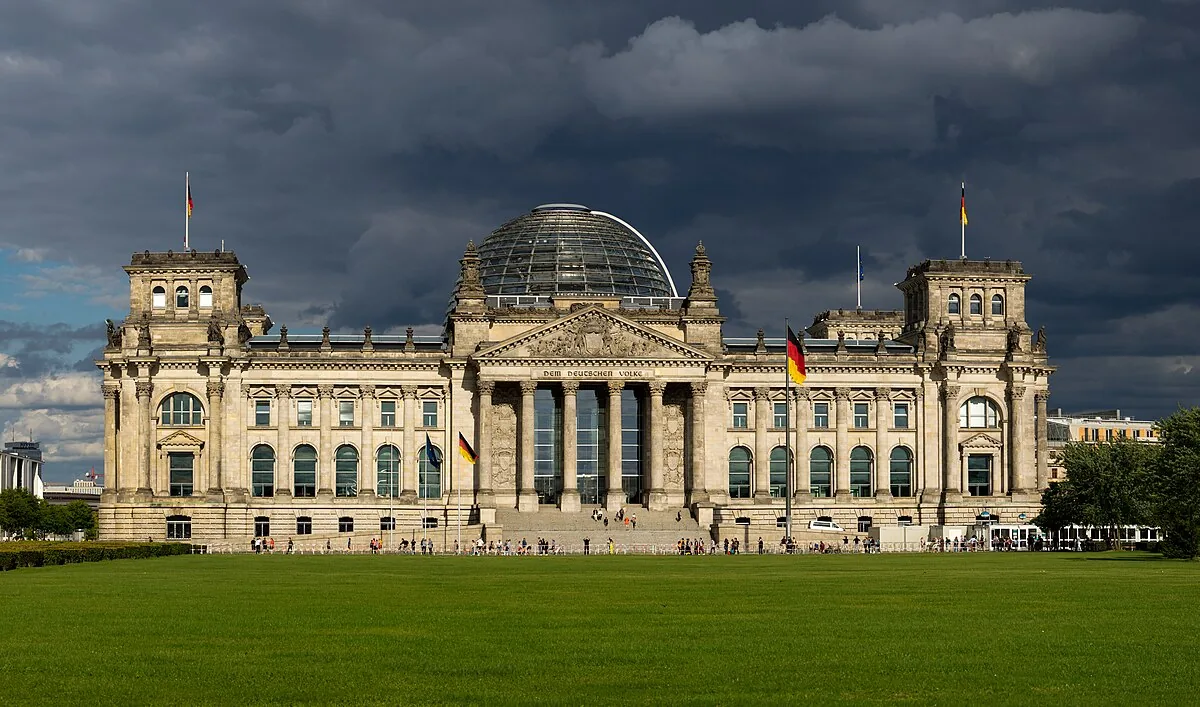
Reichstag
A 19th-century Neo-Renaissance legislative hub topped by Norman Foster’s 800-ton glass and steel dome; the transparent architecture allows visitors to look down into the plenary chamber; climb the spiral ramp at sunset when the 360-degree panorama of the Tiergarten turns to silhouette; the light reflects off the 360 funnel-shaped mirrors; creating a clinical; high-tech brilliance that symbolizes the modern republic.
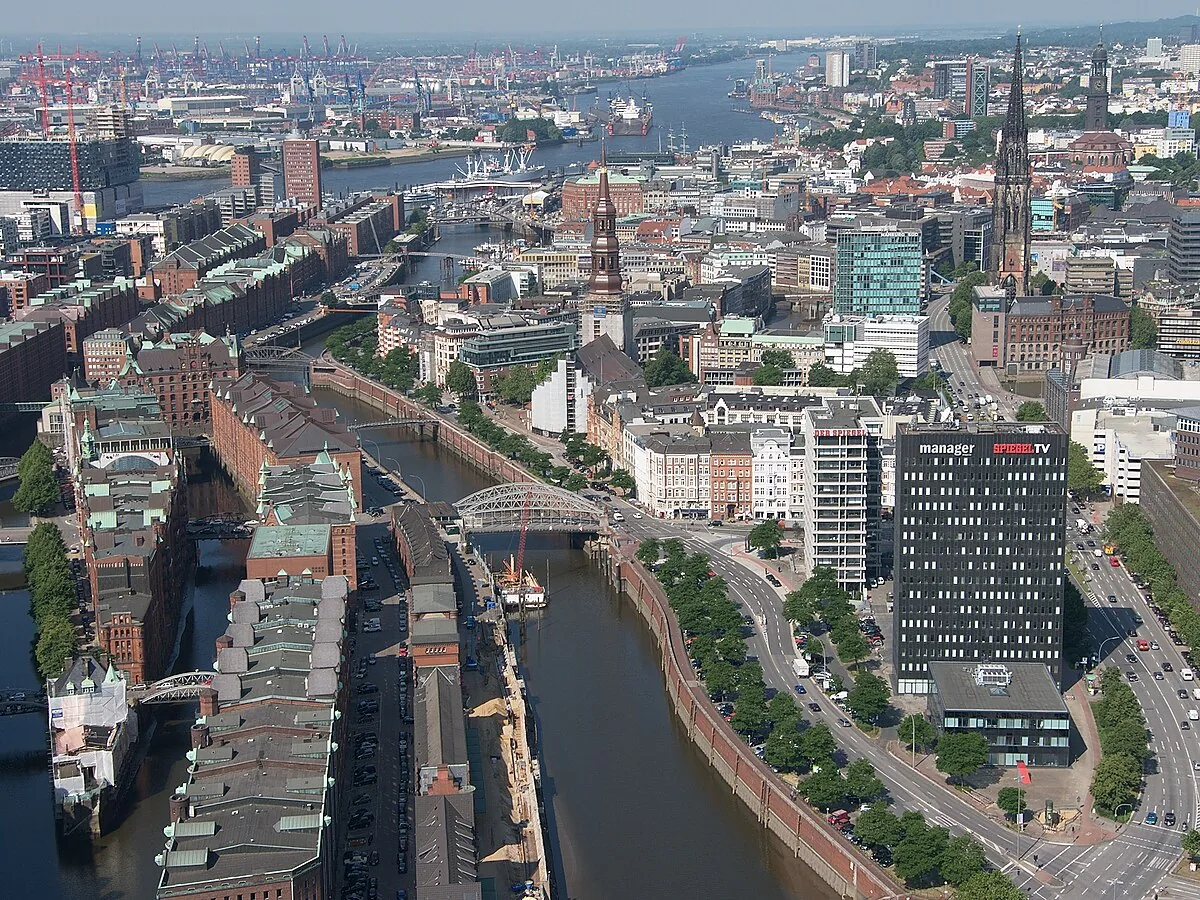
Speicherstadt
The world’s largest integrated warehouse complex built on oak piles between 1883 and 1927; defined by Gothic red-brick facades and copper-green roofs spanning narrow canals; walk the Wasserschloss viewpoint at high tide when the iron bridges are reflected in the brackish Elbe water; the air smells of roasted coffee; aging brick; and humid sea salt from the nearby harbour.
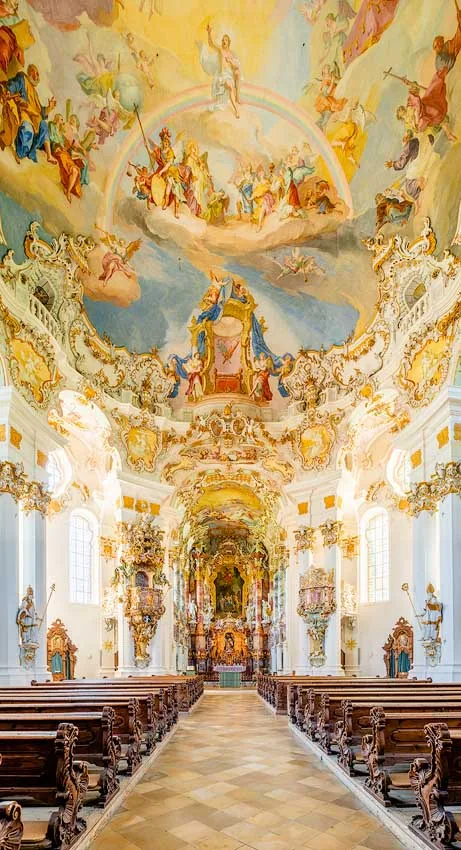
Wieskirche
A 1745 Rococo pilgrimage church standing in a remote Alpine meadow; the interior is a riot of pastel stucco and gilt carvings by Dominikus Zimmermann; stand beneath the oval frescoed ceiling at 10 am when the mountain light dissolves the boundary between architecture and painting; the acoustics of the sanctuary are so delicate that a whisper carries from the narthex to the high altar.
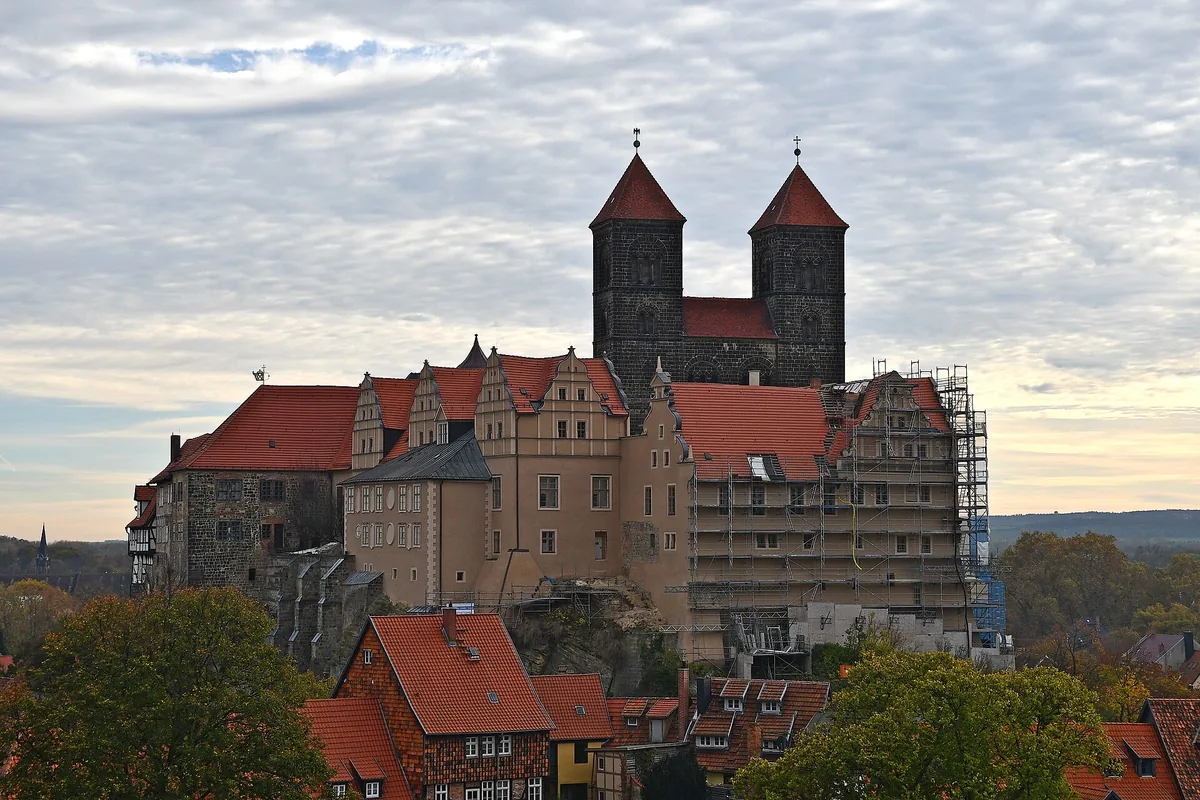
Schlossberg
A 10th-century seat of the Ottonian dynasty featuring 1,300 half-timbered houses and a Romanesque collegiate church; the Abbey houses the Quedlinburg Treasury’s hand-hammered gold reliquaries; explore the winding lanes at dawn when the early light hits the laterite-red roof tiles; the town feels structurally ancient; the smell of damp timber and wood-ash is a permanent fixture of the air.
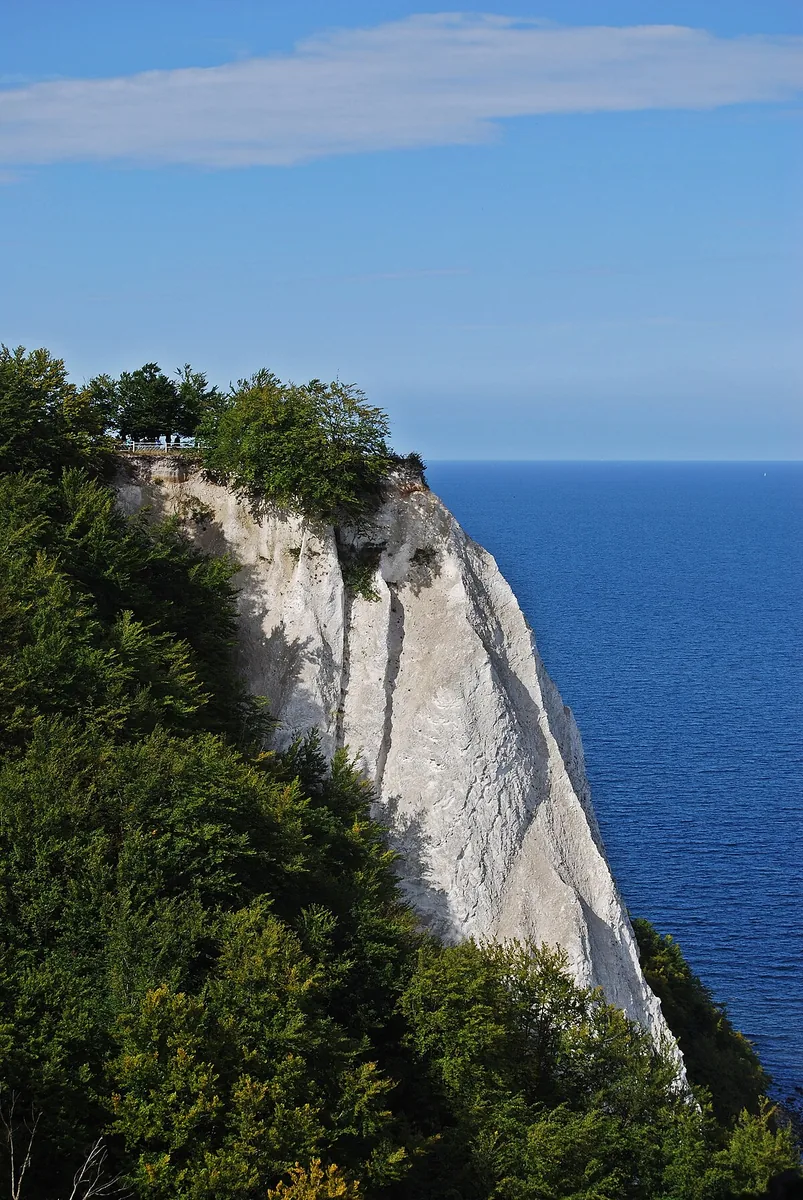
Königsstuhl
These 118-metre high Cretaceous chalk cliffs rise vertically from the turquoise Baltic Sea in Jasmund National Park; the white facade is framed by ancient beech forests that have remained untouched for centuries; stand on the viewing platform at sunrise when the chalk glows brilliant white; the sound of the sea grinding the flint pebbles on the beach below is a rhythmic; hollow roar.
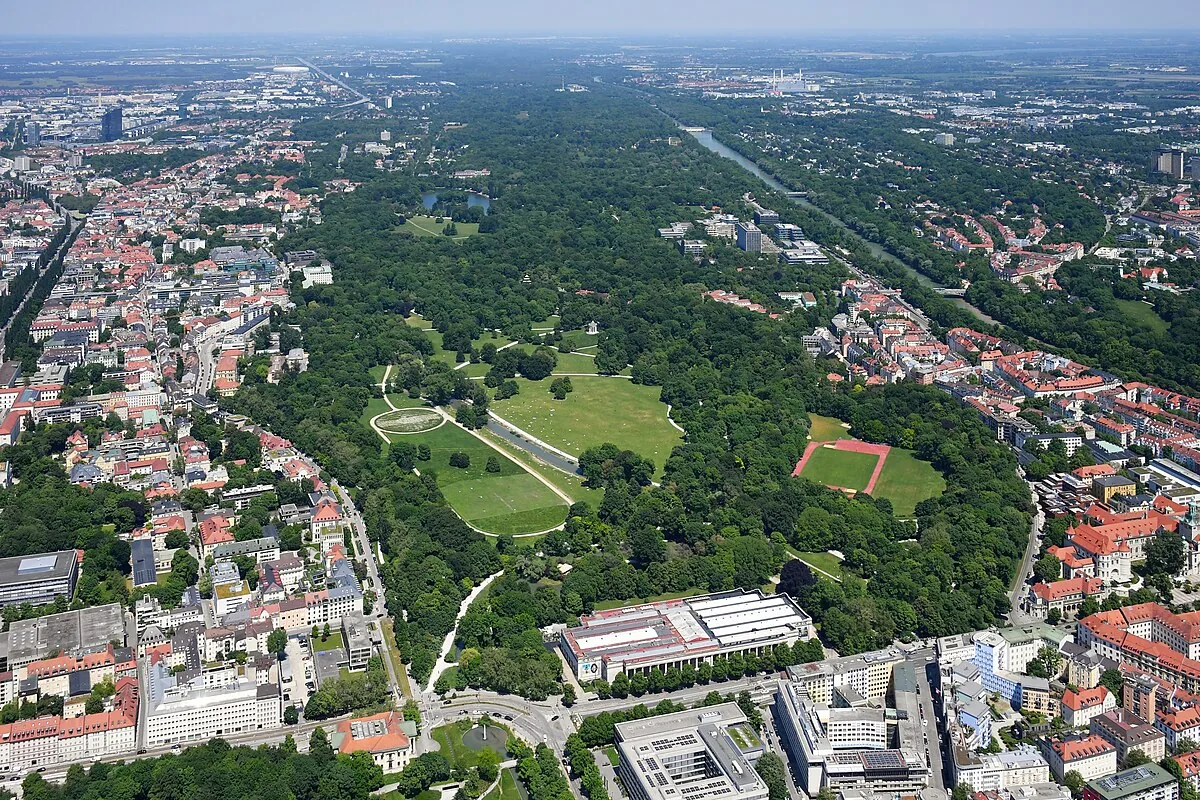
Englischer Garten
A 3.7-square-kilometre urban park created in 1789; featuring the Japanese Teahouse and the Monopteros hilltop temple; stand at the Eisbachwelle at noon to watch the river surfers navigate a permanent standing wave; the sound of the rushing water drowns out the city traffic; the scent of mown grass and cold glacial water defines the Munich summer ritual.
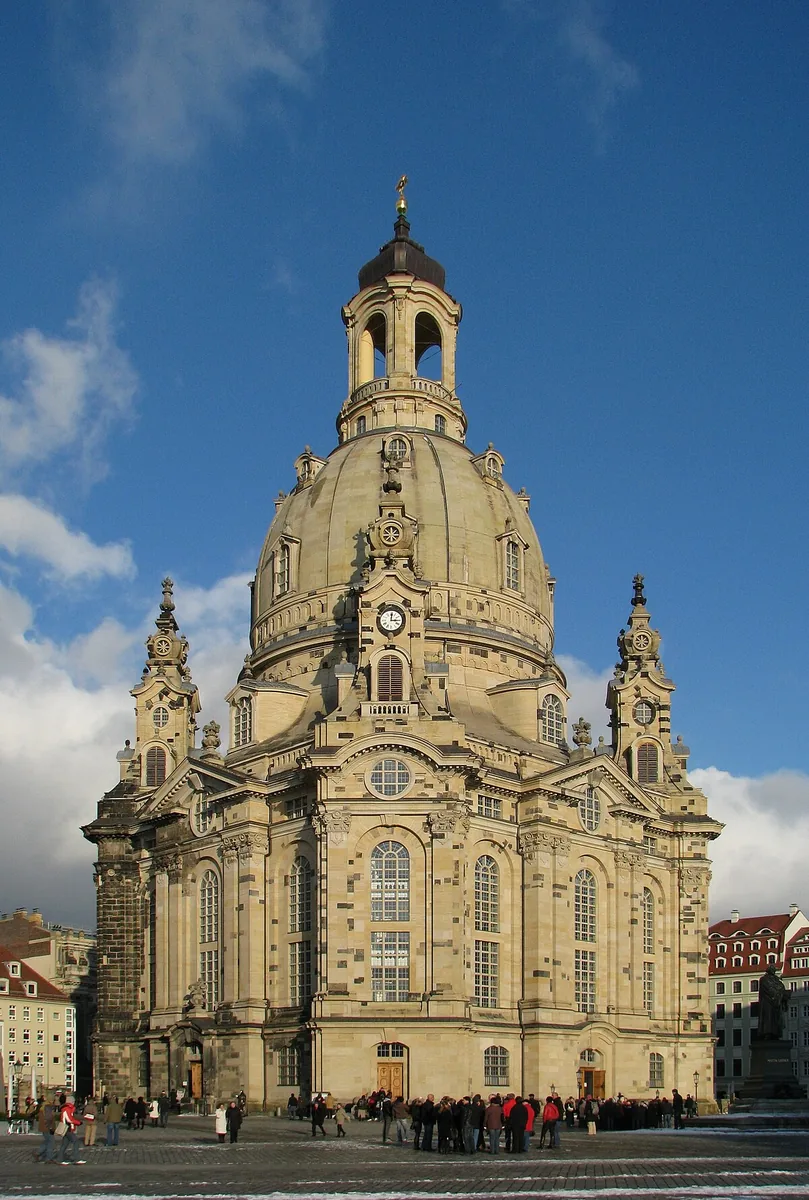
Frauenkirche
A High Baroque sandstone cathedral featuring a 96-metre high 'Stone Bell' dome; reconstructed using 3,800 original soot-blackened stones salvaged after the 1945 firestorm; enter the sanctuary at 3 pm when the sunlight hits the pastel-washed galleries and the gold-leaf altar; the contrast between the dark; historic stones and the new; cream-coloured masonry serves as a tactile record of the city’s resurrection.
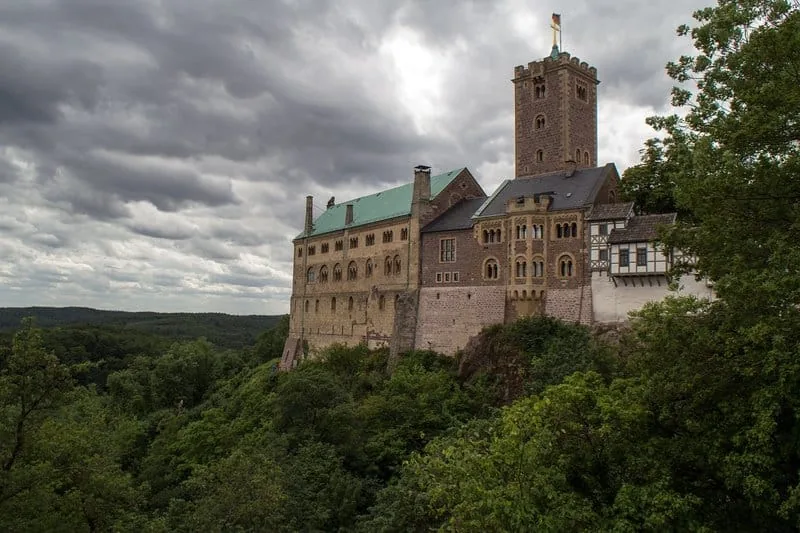
Wartburg Castle
A 1067 fortress perched on a 410-metre precipice where Martin Luther translated the New Testament into German; the Romanesque Palace features hand-carved timber beams and 12th-century stone carvings; visit the Luther Room at dusk; the small; unheated space smells of old oak and stone; the view over the Thuringian Forest is an unbroken canopy of dark green and grey mist.
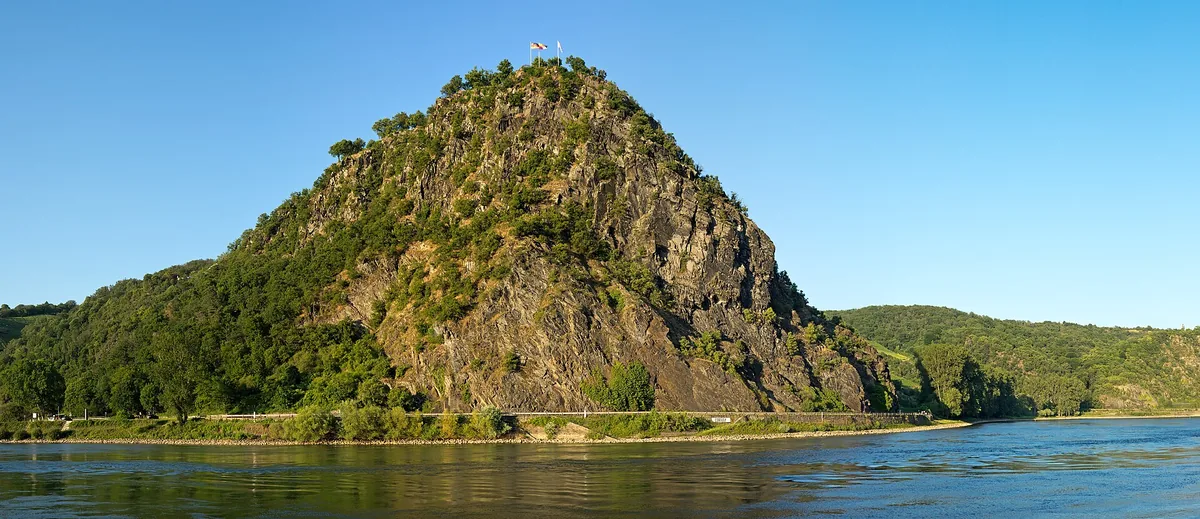
Loreley Rock
A 132-metre high slate outcrop overlooking the narrowest and deepest point of the Rhine river; the valley is home to 40 hilltop castles and terraced Riesling vineyards; stand at the cliff edge during the morning fog; the sound of heavy barges fighting the current echoes off the sun-bleached limestone walls; the light filters through the haze; turning the river surface to a dull pewter.
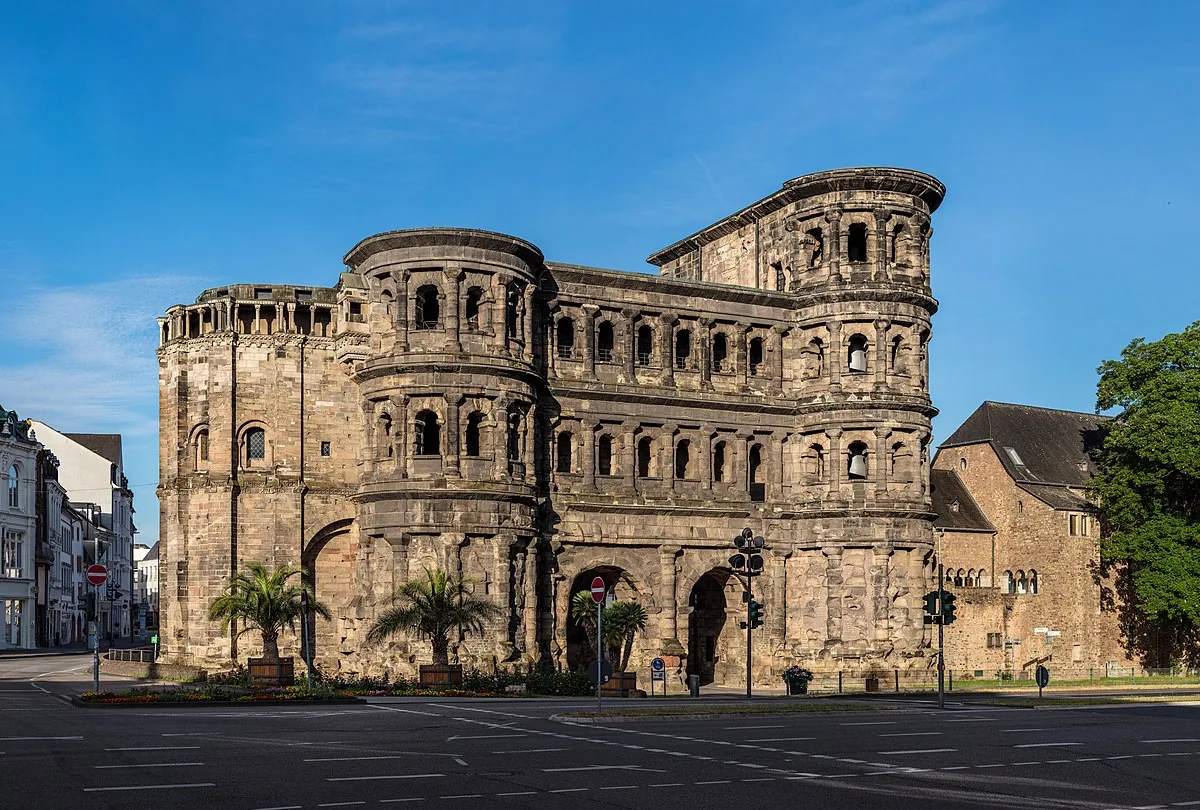
Porta Nigra
The best-preserved Roman city gate north of the Alps; built in 170 AD from massive sandstone blocks held together by iron clamps without mortar; the stone has turned soot-black over eighteen centuries of oxidation; walk the interior galleries at midday when the sun penetrates the arched windows; the texture of the hand-chiselled stone is raw and cold; even in the height of summer.
Zollverein Coal Mine Industrial Complex
A 100-hectare Bauhaus-inspired industrial site known as the 'Eiffel Tower of the Ruhr'; the red-steel headframe of Shaft 12 dominates a grid of functionalist brick factories; walk the orange-lit escalator of the Ruhr Museum at dusk; the scent of machine oil and cold steel persists in the repurposed corridors; the scale of the coking plant is massive enough to be an industrial cathedral.
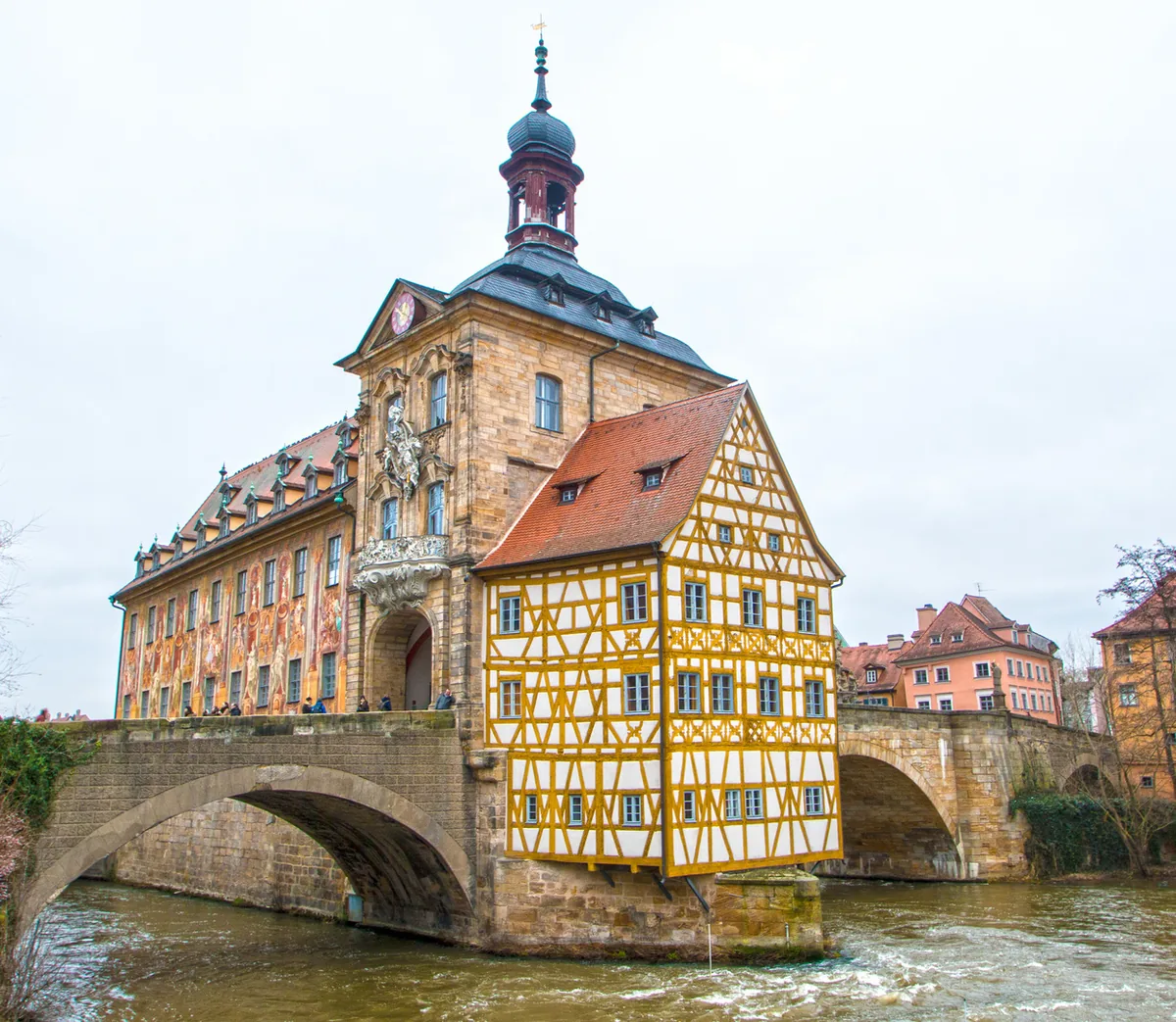
Altes Rathaus
A 14th-century town hall built on an artificial island in the Regnitz River; connected by two stone bridges; the exterior is covered in trompe-l'oeil frescoes that give the flat walls a 3D Baroque texture; stand on the Upper Bridge at sunset when the river water churns beneath the timber-framed facades; the smell of smoked malt from nearby breweries fills the evening air.
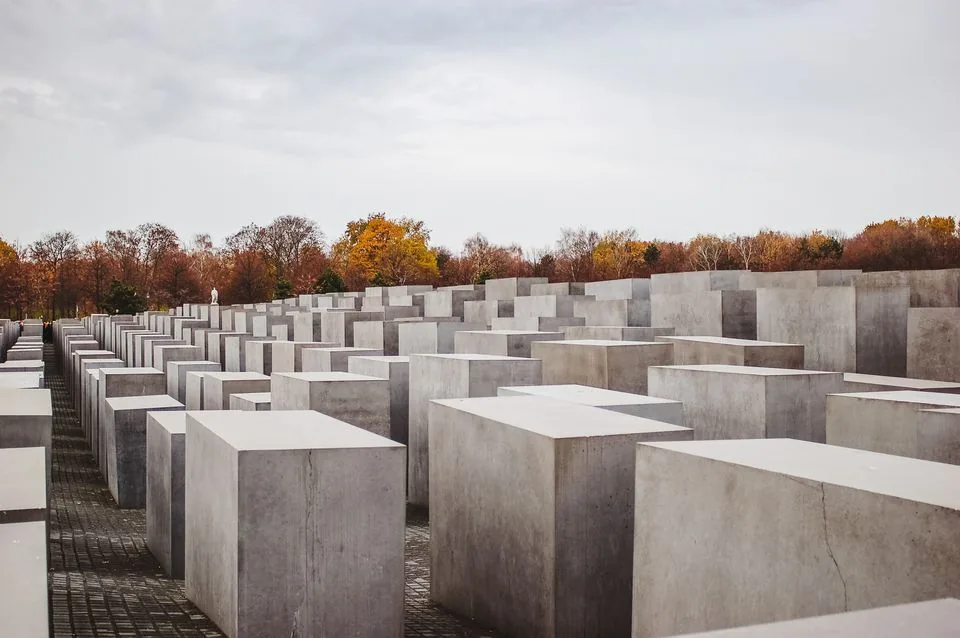
Memorial to the Murdered Jews of Europe
Peter Eisenman’s 2005 grid consists of 2,711 concrete slabs of varying heights placed on an undulating field; the design forces a physical sense of disorientation and isolation; walk deep into the center of the grid at noon; the temperature drops several degrees and the city sounds are suddenly muffled; the smooth; cold grey concrete surfaces offer no sensory relief.
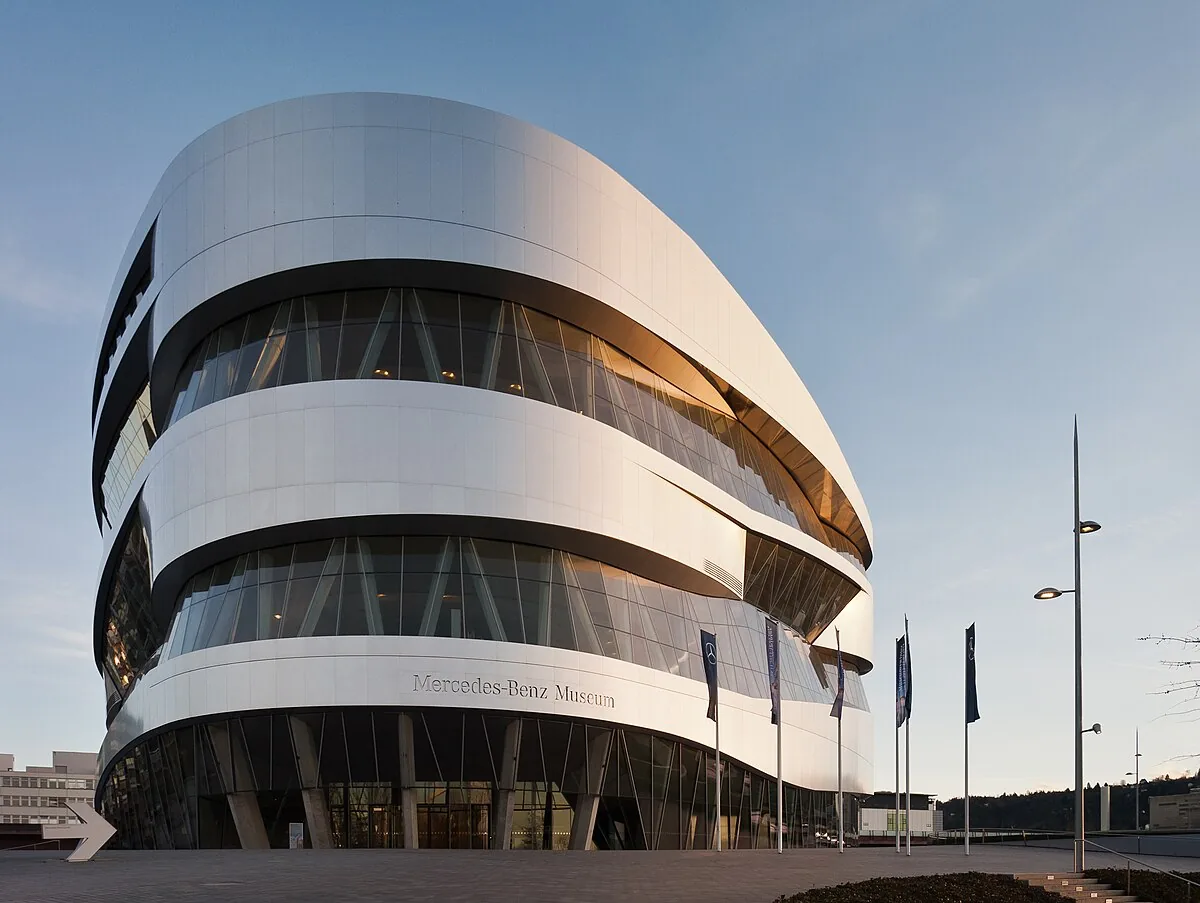
Mercedes-Benz Museum
A double-helix structure designed by UNStudio; the museum features 160 vehicles arranged across nine levels of clinical; polished concrete and glass; the architecture replicates the DNA strand to tell the story of the internal combustion engine; take the silver capsule elevator to the top floor at 10 am; the natural light floods the open atrium; reflecting off the hand-polished chrome of 1930s racing cars.
Altstadt Heidelberg
Heidelberg was destroyed by the French in 1693 and rebuilt as a Baroque city. The Allies didn't bomb it in 1944. The result is the most complete surviving Baroque city center in Germany, and the ruine
Königsstuhl
Tradition claims that ancient kings earned their crowns by scaling these 118-meter chalk walls from the churning Baltic Sea with nothing but their bare hands.
Konigsee
No private motorboats have been on this Alpine lake since 1909, the rule was introduced to protect the acoustic quality of the water. The boatman still plays trumpet at the cliff face to demonstrate t
Konigstuhl Rugen
Caspar David Friedrich painted these white chalk cliffs in 1818 and made them the symbol of German Romantic landscape. The cliffs are still there, 118 meters above the Baltic. The beech forest above t
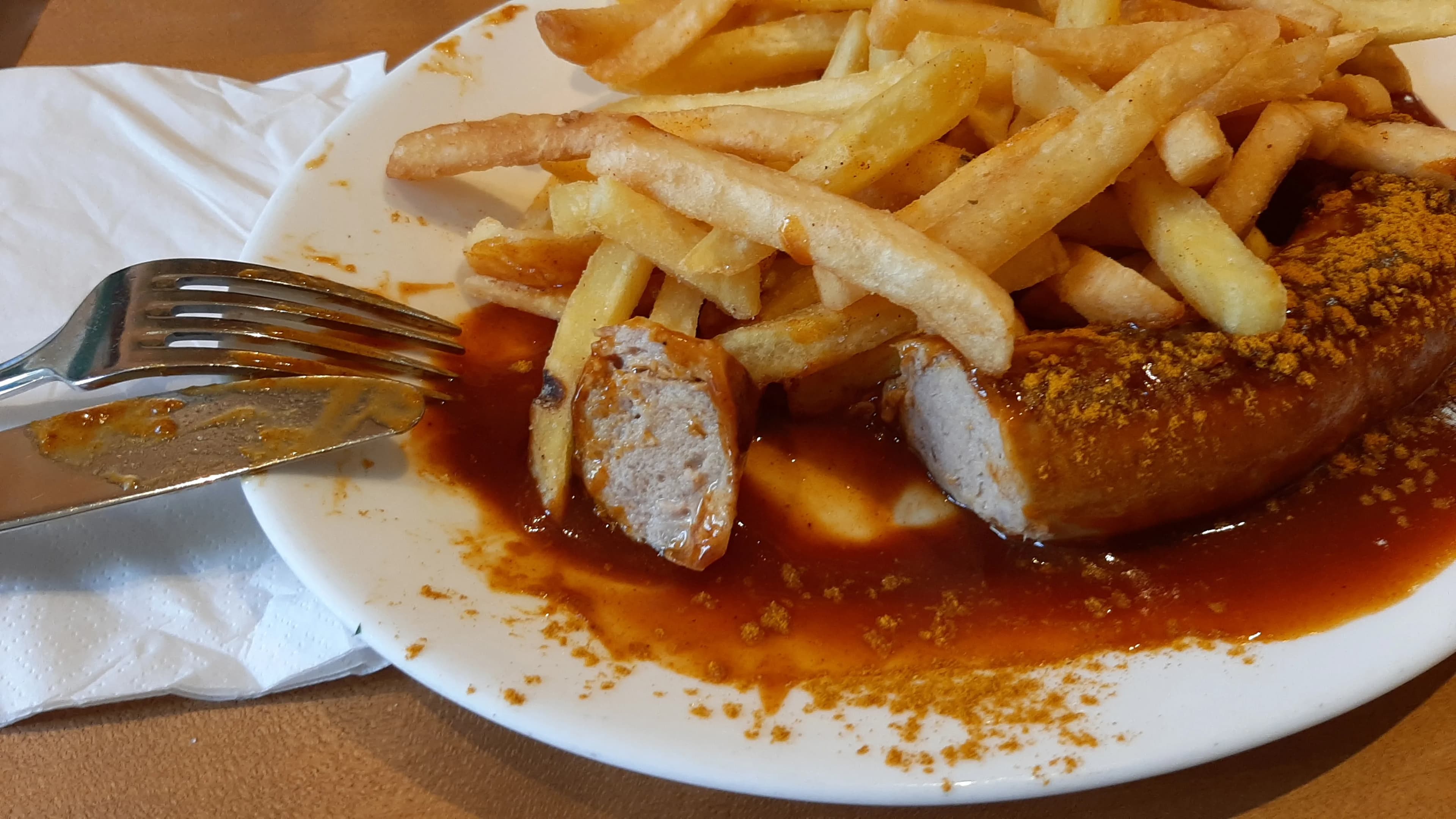
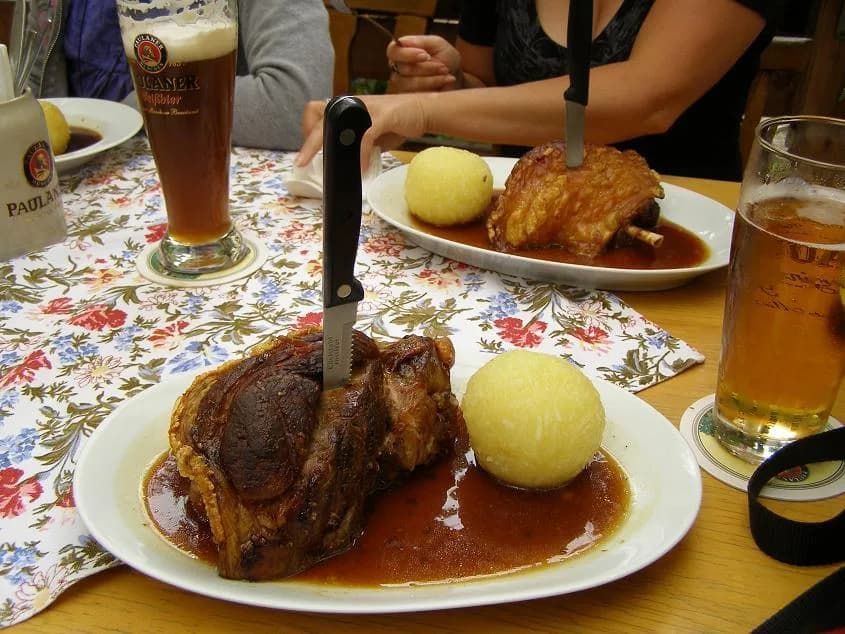
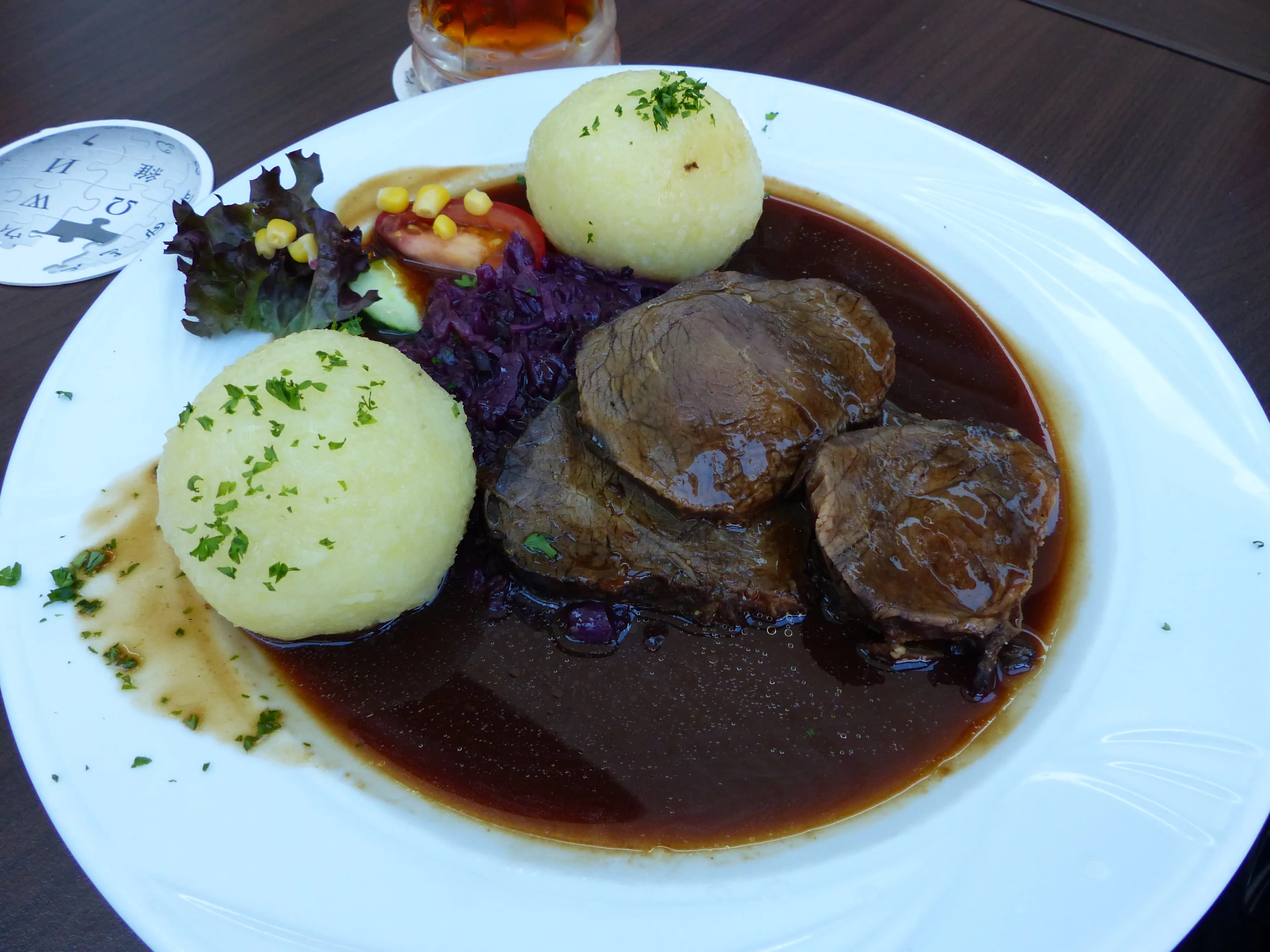
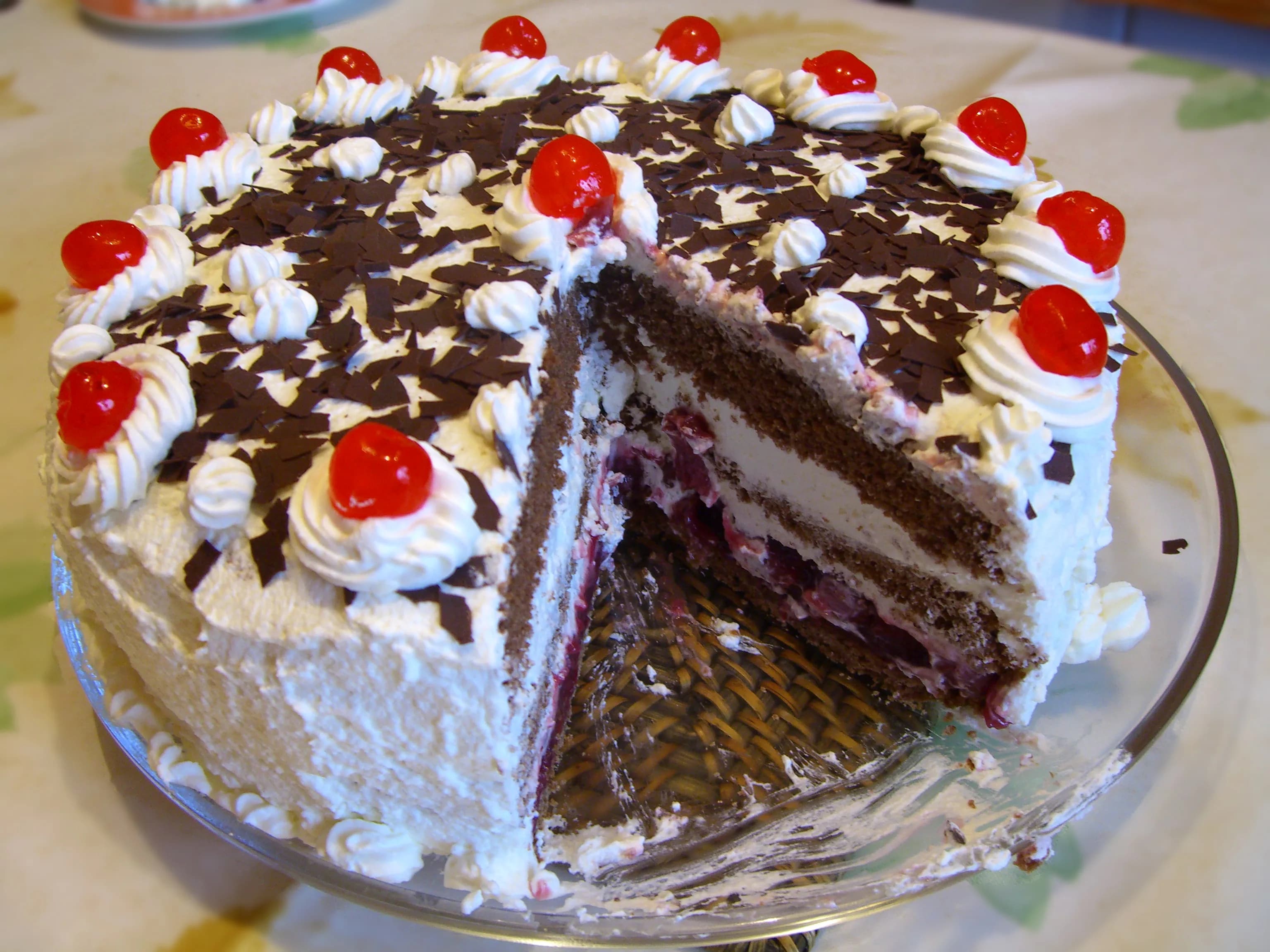
Cuisine
Must-Try Dishes
The flavours that define Germany

Flights
Fly to Germany
Compare prices across local & global booking platforms
✈ Flights to Germany
🏨 Hotels in Germany
Clicking opens the booking platform. WorldCurio may earn a commission at no extra cost to you.
Did You Know
Germany Facts
Fascinating things most travellers never learn
Germany has over 1,300 different types of beer and about 1,500 breweries — more than any other country. The 500-year-old Reinheitsgebot purity law still governs Bavarian brewing.
economyGermany has more zoos than any country on Earth — over 414 zoological gardens, wildlife parks, and aquariums. That's more than the entire Americas combined.
cultureGermany has a word for the guilty pleasure of eating food you shouldn't: 'Naschkatze' (snack cat). German has a unique compound word for almost every emotional or physical experience.
quirkyThe Gutenberg printing press (1440) made Germany the cradle of the information revolution. Within 50 years of Gutenberg, over 20 million books had been printed — more than all scribes produced in centuries.
history